
Adding a New Car to Your Policy
Most insurers give a short grace period on a new car, but you still have to call and add it to stay covered after that.
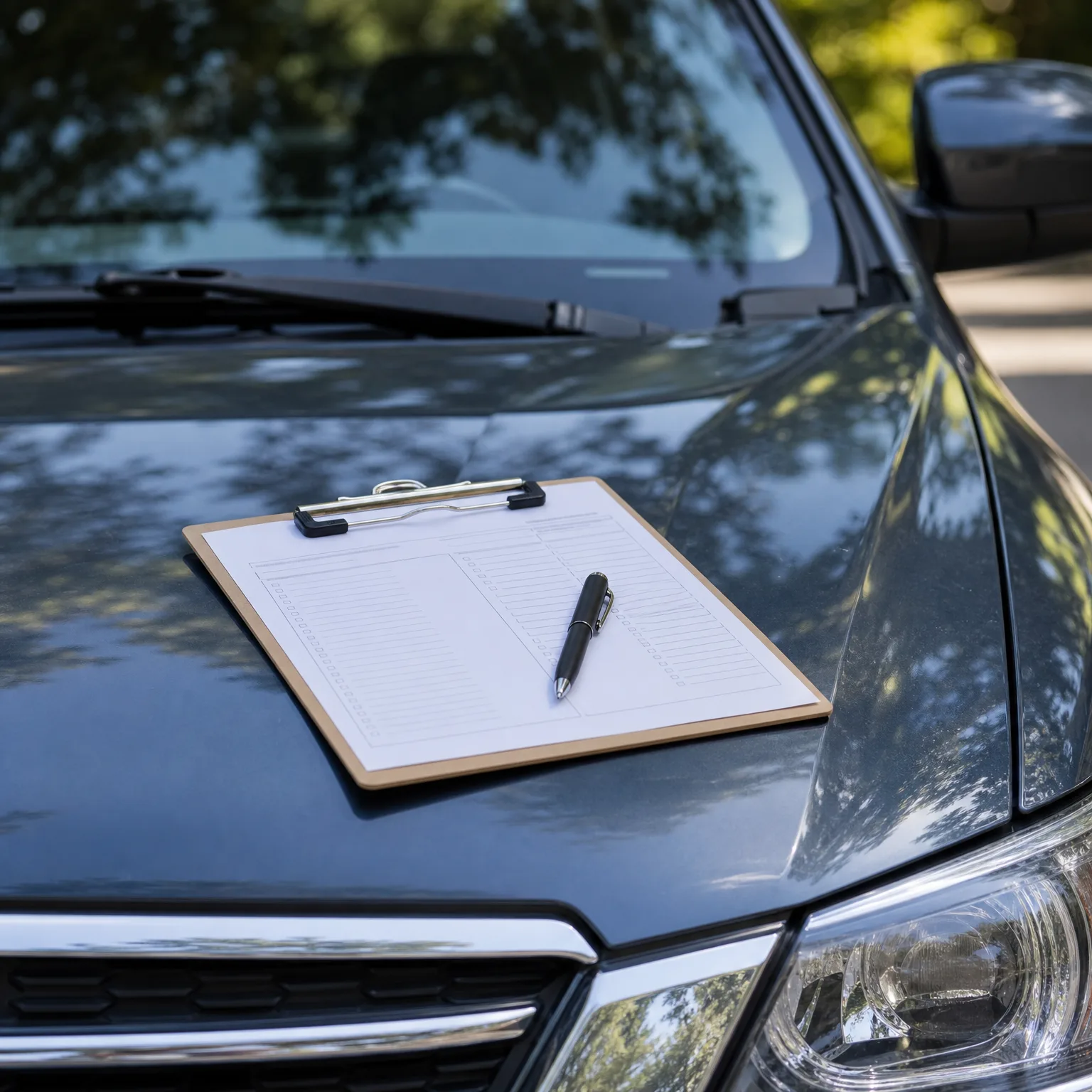
What to handle before you leave the dealer
- Call before you drive off Your insurer needs the car's details to add it to your policy. Call or use the app while you're still at the dealer so there's no gap.
- Check your grace period Many policies extend existing coverage to a new car for a short time automatically. Confirm the exact length with your insurer, since it varies and missing it can leave you uninsured.
- Consider payoff coverage If you owe more than the car is worth and it's totaled, standard coverage only pays its value. Add this coverage if you're financing or leasing with little money down.
- Raise your coverage limits A new car is often worth more than your old one, so your existing limits may leave you underinsured. Raise comprehensive and collision limits to reflect the actual price you paid.
- Get the new rate in writing A new car can raise or lower your premium depending on its safety record and repair costs. Get the new quote in writing before you sign anything at the dealer.
What happens if I forget to add the car within the grace period?
Once the grace period ends, the car has no coverage at all until you call your insurer. If you have an accident or it's damaged in that window, you pay for everything yourself, including damage to other people's property.
The grace period only applies if you already have an active policy covering another vehicle you own. It does not apply if this is your first car or if you let your previous policy lapse before buying. The length of this window is set by your insurer and sometimes by state rules, so check it directly rather than assuming it matches what a friend had. If you're unsure whether you're still inside it, call and confirm rather than waiting.

Now that you know what coverage to add and how long you have, compare quotes to make sure you're not overpaying for it.
Why a new car changes what you owe and what you need
A policy covers specific vehicles, not just you as a driver. When you add a car, the insurer reprices your coverage based on that car's value, repair costs, and safety record, because those determine how much they'd have to pay out if something happened to it. This is why the quote for a new car often looks different from what you paid before, even with the same driver and the same limits.
The grace period exists because insurers assume you already carry coverage on another car and are simply replacing or adding to it. That assumption breaks down if you didn't own a car before, or if your old policy had already lapsed. In those cases there is no existing coverage to extend, so the new car has none either until you actively add it.
Loan and lease payoff coverage exists because a car loses value faster than most loans get paid down, especially early on. If the car is totaled before that gap closes, standard coverage pays what the car is worth, not what you owe. Whether you need this depends on your down payment and loan length, not on how expensive the car is. Someone with a large down payment on an expensive car may need it less than someone who financed a cheaper one with nothing down.
What varies by insurer and state is the length of the grace period, whether payoff coverage is a separate add-on or bundled automatically, and how new-car value is calculated after an accident. None of that changes the underlying logic, but it changes the specifics enough that you should confirm them directly rather than assume they match a previous policy or a friend's experience.
The car isn't covered because you own it, it's covered because you told your insurer about it.
Do I need gap insurance if I made a large down payment?
Probably not, but it depends on how much you still owe relative to the car's value. Gap coverage exists to pay the difference between what you owe and what the car is worth if it's totaled. If your down payment or trade-in already covers that difference, the coverage adds little. Check your loan balance against a realistic resale estimate, not the sticker price, before deciding.
Will my insurance rate go up just because the car is new?
It depends on the car, not on its age. Rates are based on the car's value, repair costs, and safety or theft record, so a new car with strong safety ratings can sometimes cost less to insure than an older one. Get an actual quote for the specific make and model rather than assuming new means more expensive.
Can I remove my old car from the policy the same day I add the new one?
Yes, as long as you're not keeping the old car. Tell your insurer you're removing it when you add the new vehicle, and ask whether you're due a refund for unused premium. If you're keeping both cars, you add the new one without removing anything, and your policy will price them separately.