Can I Keep My Car if It Is Totaled
Yes, you can keep your totaled car, but the insurer subtracts its salvage value from your payout and you get a salvage title.
What keeping a totaled car actually involves
- The payout shrinks If you keep the car, the insurer pays you the total loss value minus what the wreck is worth as salvage. Ask the adjuster for that salvage deduction amount before you decide.
- The title changes for good Your state will brand the title as salvage or rebuilt, and that follows the car forever. Check with your state's motor vehicle agency on what's required to drive it again.
- You may need an inspection Many states require a salvage vehicle to pass a safety or rebuilt inspection before it can be retitled and driven legally. Find out what that inspection covers and what it costs before committing.
- Insuring it again gets harder Some insurers limit coverage on salvage or rebuilt titles, especially for comprehensive and collision. Call your insurer or shop around before you repair it, not after.
- Repairs are on you Once you keep the car, any repair cost beyond the settlement is yours to pay. Get a repair estimate first so you know if keeping it still makes financial sense.
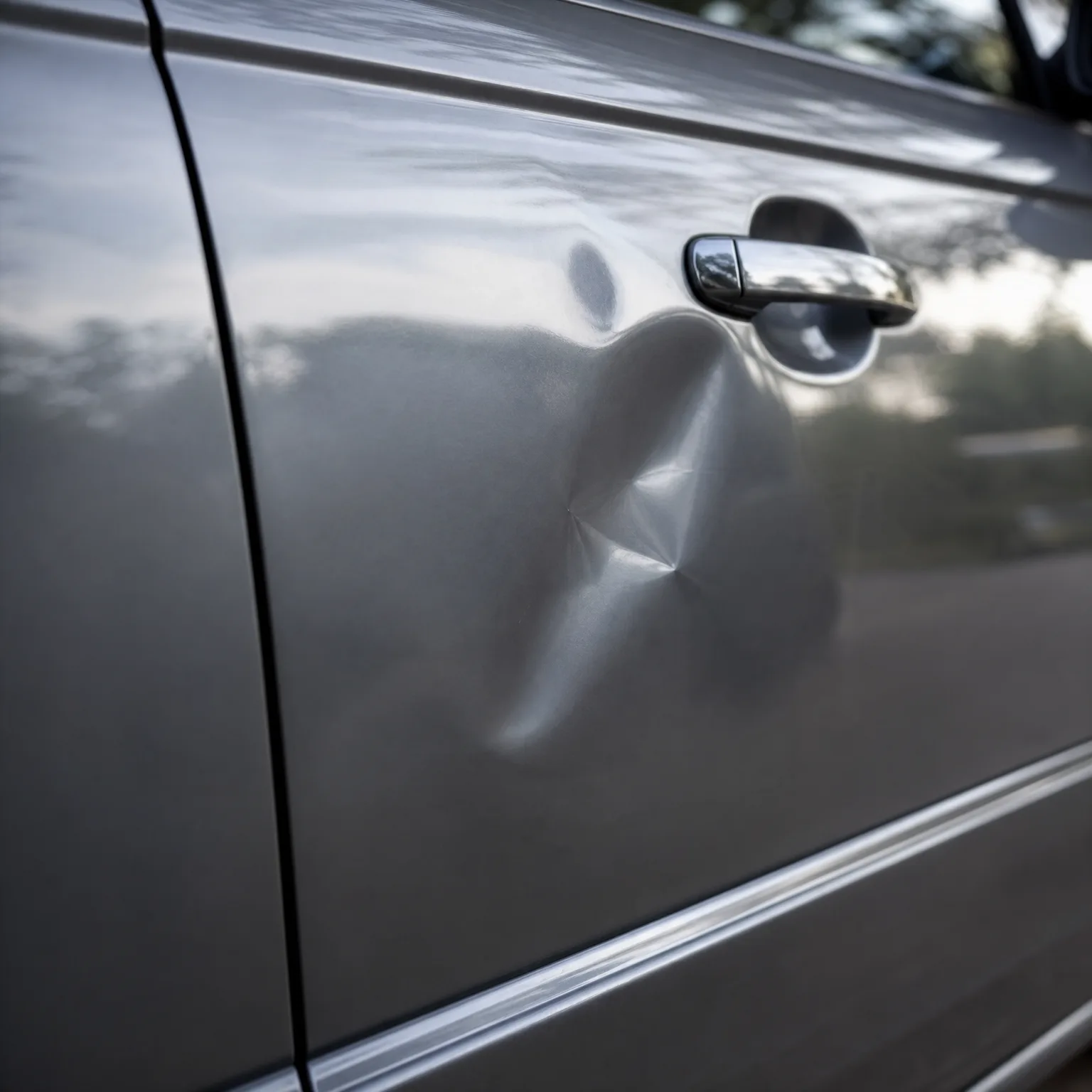
A driver decides whether to keep a wrecked car
A driver with a car they'd had for years was rear-ended badly enough that the insurer declared it a total loss. The car still ran, and the damage looked mostly cosmetic to them, so they asked the adjuster what it would take to keep it. The adjuster explained the payout would be reduced by the salvage value, and that the title would be branded salvage once they took possession.
The driver got a repair estimate from a trusted shop before deciding anything. The estimate came in lower than the reduced payout plus the car's sentimental value justified, so they kept it, fixed it, and took it in for the state's required inspection. Once it passed, they called their insurer to ask about coverage on a rebuilt title and found out collision coverage would be limited going forward. They decided that tradeoff was worth it for a car they trusted and already knew the history of.

Now that you know the real cost of keeping a totaled car, compare quotes to see how a salvage title affects your rate.
How much money will I actually get if I keep the car?
You'll get the total loss value the insurer determined for your car, minus the salvage value, which is what your damaged car is worth to a salvage buyer or auction. The insurer calculates salvage value based on the car's condition and local market for parts and scrap, so it varies by vehicle and location.
Ask the adjuster to show you both numbers separately, the full total loss value and the salvage deduction, so you can see exactly how they arrived at your payout. If the math seems off, you can push back or get an independent valuation. Some insurers are more flexible on this than others, so it's worth asking directly how they calculated it before you agree to anything.
The real decision isn't whether you can keep it, it's whether the reduced payout makes fixing it worth it.
Can I still drive the car before I get the salvage title sorted out?
No, you generally cannot legally drive it until it passes any required inspection and gets retitled. Driving an unregistered or improperly titled salvage vehicle can lead to fines or voided insurance. Check your state's motor vehicle agency for the exact retitling steps and timeline before you get behind the wheel.
Will my insurance rates go up after I keep a salvage title car?
It depends on the insurer, since some charge more to cover salvage or rebuilt titles due to the added risk. Others may limit the coverage types they'll offer at all. Call a few insurers before you finish repairs so you know what coverage and pricing to expect going forward.
What happens if I decide not to keep the totaled car?
If you don't keep it, the insurer takes the vehicle and you receive the full total loss payout without any salvage deduction. The insurer then sells the wreck themselves, usually at auction. This is simpler and often better financially unless you have a strong reason, like sentimental value or a good repair deal, to keep it.