Can You Switch Car Insurance Mid-Term
Yes, you can cancel your current policy and start a new one any day you choose, without waiting for renewal.

What to line up before you switch
- Line up start dates Set the new policy to start the same day the old one ends. A gap of even one day can show up on your record and raise future quotes.
- Cancel in writing Call or email the old insurer and get confirmation the policy is cancelled, not just lapsed. A clean cancellation avoids being billed for coverage you no longer want.
- Ask about a refund If you paid in advance, you're likely owed money back for the unused time. Ask how the refund is calculated and when it arrives.
- Check lender requirements If the car is financed or leased, the lender usually has minimum coverage rules. Give the new insurer the lender's name so the policy satisfies them from day one.
- Update your proof of insurance Replace the old insurance card or app access right away. Keep proof of the new policy in the car and on your phone so you're never caught without it.

Switching after a quote came in lower
A driver had been with the same insurer for years and assumed loyalty kept the price fair. After a routine comparison, a new insurer quoted meaningfully less for the same coverage. The driver wasn't at a renewal date, just partway through the current term, and wasn't sure if switching mid-term was even allowed or if it would cause a lapse.
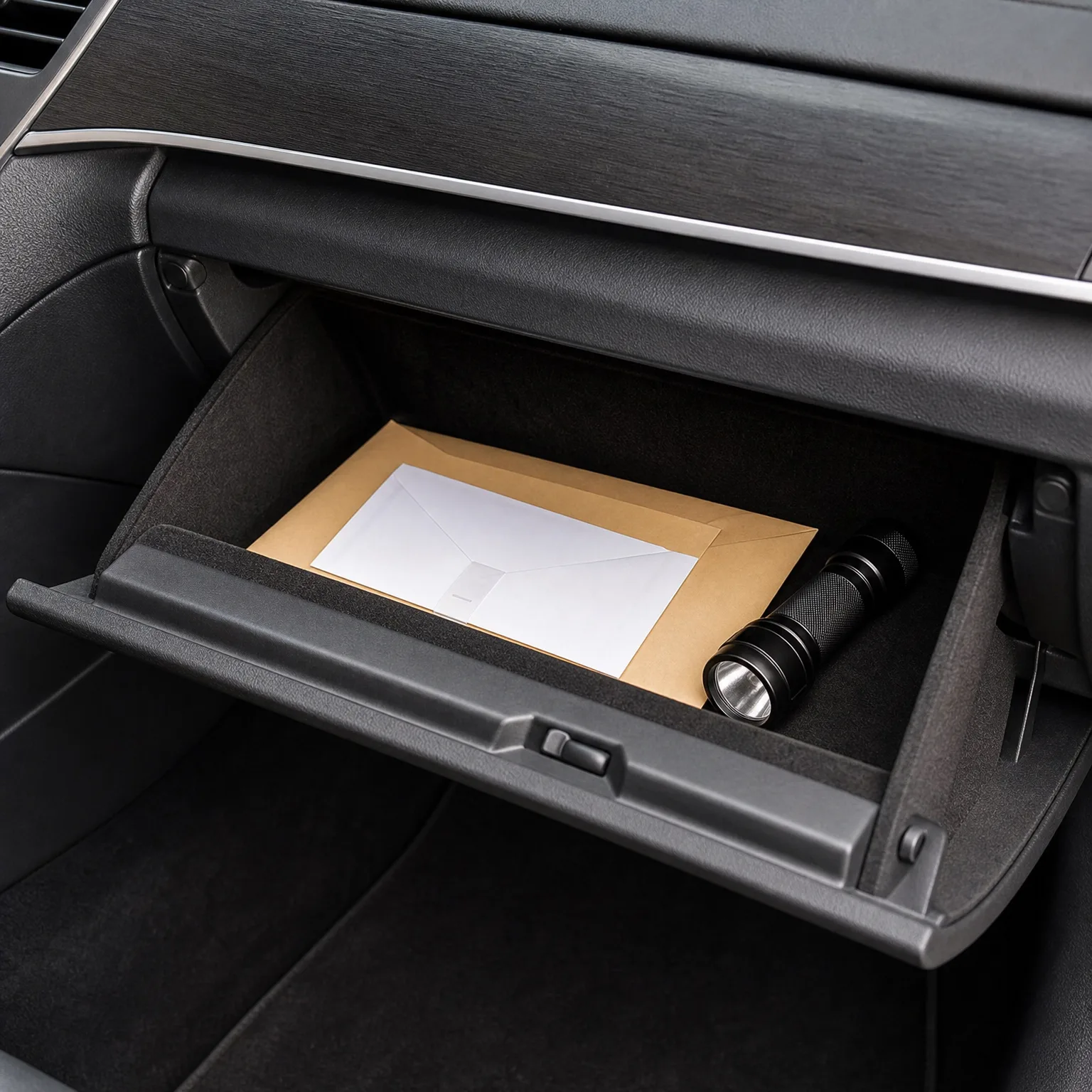
They called the new insurer first and set the start date for the following Monday, then called the old insurer that same day to cancel effective that same Monday. The old insurer confirmed the cancellation in writing and said a refund for the unused time would be issued soon after. The driver updated the insurance card in the glovebox and the app on their phone before the old policy ended. There was no gap, no lapse on record, and the refund arrived as promised. The only extra step was telling the lender about the new policy, since the car was financed and the lender needed to confirm the new coverage met their requirements before the switch was final.

Switching this week versus waiting for renewal
If you do
You start saving or get better coverage immediately. You handle a short cancellation call, confirm your new start date, and update proof of insurance. A small amount of paperwork now, but the new policy is active right away and any refund from the old insurer starts processing immediately.
If you don't
You keep paying the old rate until renewal, even if a better option is available now. Nothing changes in the meantime, no calls or paperwork, but you lose the savings or improved coverage for every day you wait, and you'll need to shop again later anyway.
Compare quotes now and switch today if one beats what you're paying.
Why insurers let you leave whenever you want
Car insurance is a contract you renew voluntarily, not a lease you're locked into. Insurers price it in fixed terms for billing and rate-setting, but that term isn't meant to trap you. You can end your side of the agreement whenever you choose, as long as you're not breaking a separate requirement like one from a lender.
The reason insurers allow this is that forcing you to stay would conflict with how insurance is regulated almost everywhere. Coverage is meant to be something you can obtain and drop based on need, not something you're bound to like a long-term contract. What varies by state or insurer is how cancellations are processed, whether you need to give notice, and how refunds for unused premium are calculated. Check your policy documents or ask the insurer directly, since some prorate refunds simply while others apply a short cancellation adjustment.
The only real cost to switching is timing and attention, not permission. If you cancel before a payment is due, you avoid paying for time you won't use. If you cancel right after a payment posts, you wait longer for a refund but you're not charged twice. The risk isn't the switch itself, it's letting a gap open between the old policy ending and the new one starting, since that gap can affect how future insurers see your coverage history.
Where it plays out differently is with financed or leased cars, where the lender sets a coverage floor you must meet without interruption. In that case the switch still works, you just confirm the new policy meets the lender's requirements before the old one ends.
The term on your policy is a billing cycle, not a lock. You can leave whenever a better option shows up.
Will switching mid-term hurt my insurance history or future rates?
No, switching itself doesn't hurt you, as long as there's no gap in coverage between the old policy ending and the new one starting. Insurers look at continuous coverage history, not how many times you've changed companies. A clean cancellation with a clear end date and a new policy starting the same day leaves no mark.
What can hurt you is a lapse, even a short one, because some insurers treat any gap as a sign of risk and price accordingly. This is why lining up exact start and end dates matters more than which insurer you were with or how often you've switched. If you're ever unsure whether your cancellation and new start date line up, call both insurers and ask them to confirm the exact dates in writing before you finalize anything.