
Choosing a Deductible for a New Car
Pick the highest deductible you could pay in cash tomorrow without strain, because that's the real tradeoff you're making.
A deductible is the risk you keep for yourself
A deductible is just the amount you agree to pay before your insurer pays the rest of a claim. Raise it and your premium drops, because you've taken on more of the small and medium-sized risk yourself. Lower it and your premium rises, because the insurer is covering more of that risk. Neither number is right or wrong, it's a trade between what you pay now, every month, and what you'd pay later, only if something happens.
With a new car the math shifts a little from what you may be used to. The car is worth more than your old one, so a claim is more likely to involve real money, which makes carrying collision and comprehensive coverage worth it even if you skipped them before. But that same higher value doesn't mean you need the lowest deductible available. It means you need a deductible you could actually cover without borrowing or draining an emergency fund, because that's the moment a deductible is designed for.
The cases where a lower deductible earns its higher premium are narrow. If you have no savings cushion at all, a high deductible can turn a fender bender into a financial problem, so a lower deductible buys peace of mind even at a higher monthly cost. If you drive a lot in heavy traffic or park on the street in a crowded area, your odds of a claim are higher, which changes the math toward a lower deductible too.
What counts as high or low, and how much premium you save at each level, varies by insurer and by state. Ask for a quote at two or three deductible levels side by side before you decide, so you're comparing real numbers instead of guessing.
Should collision and comprehensive have the same deductible?
Not necessarily. Comprehensive covers things like theft, fire, weather and hitting an animal, and those claims tend to be smaller and more random than collision claims from an at-fault accident. Some people choose a lower deductible for comprehensive, since those events are out of their control, and a higher one for collision, since driving behavior plays a bigger role there.
The only way to know if splitting them saves you money is to ask your insurer for a quote with different deductibles on each. Some insurers price them independently, so splitting makes a real difference, others bundle them closely enough that it barely matters. Check how your specific insurer handles this before you decide, rather than assuming either approach is standard.

Choosing a higher deductible to lower your payment
If you do
Your monthly premium drops right away, sometimes enough to notice. If you're ever in an accident or the car is damaged, you pay more out of pocket before coverage kicks in. This works well with savings set aside and few small claims, but it can sting if a repair hits at a bad time.
If you don't
Your premium stays higher every month, but a claim costs you less when it happens. You pay less upfront if something goes wrong, which can matter if you don't have much set aside. Over years of no claims, you may end up paying more in premium than you would have saved in deductible costs.
Now that you know your deductible, compare quotes at that level across insurers to find the best price.
Weighing the deductible on a car bought with a small emergency fund
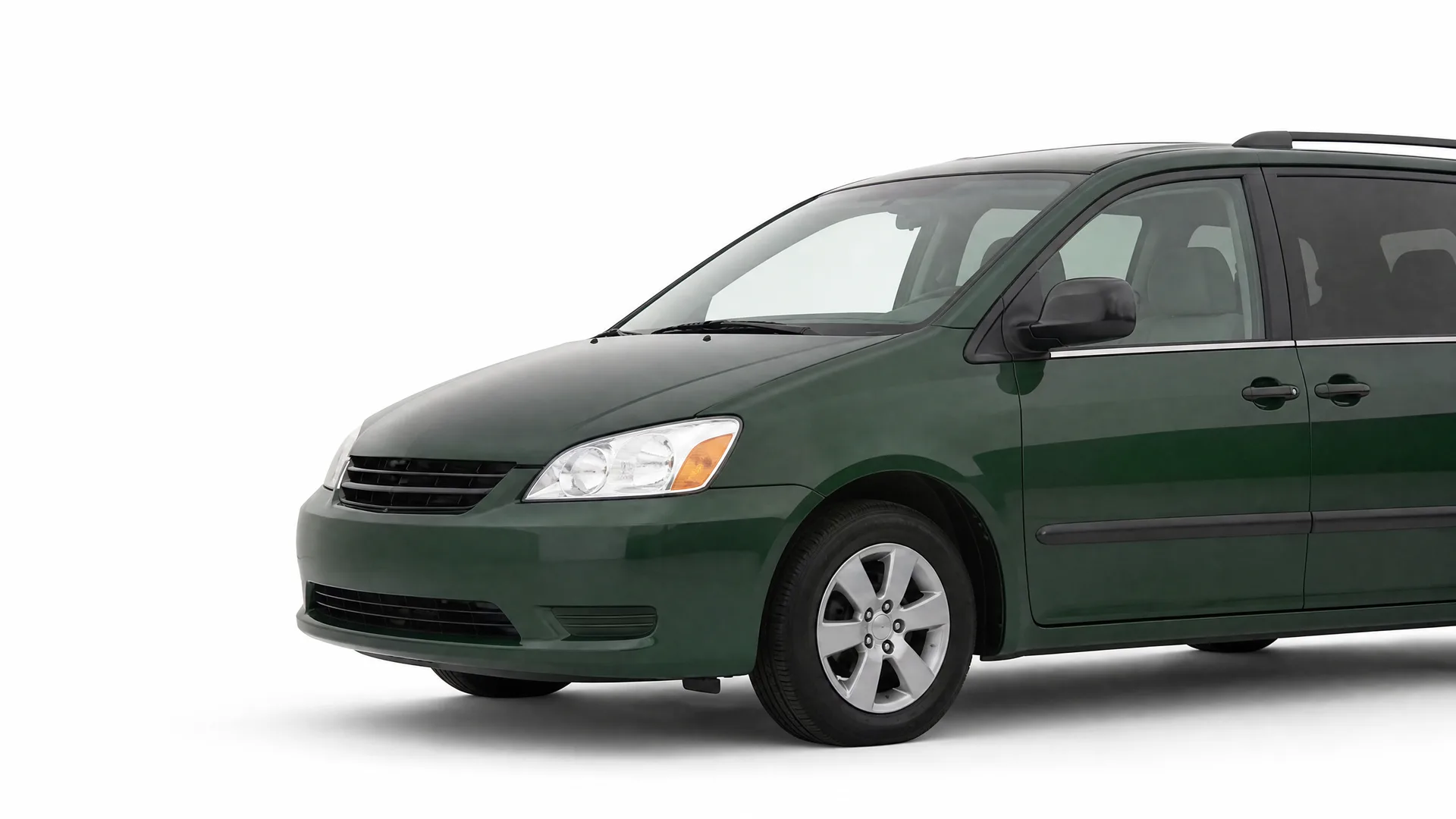
Someone buys a new car and has a modest amount set aside for emergencies, enough to cover a routine repair but not much more. The dealer's finance office offers an insurance add-on with a low deductible, and the person's own insurer quotes a policy with a higher deductible for less money each month. They're tempted by the lower monthly cost but worried about what happens if they're in an accident in the first year, before they've had time to build savings specific to the car.
They ask their insurer for quotes at a couple of deductible levels in between the two extremes, and compare what each would actually cost them if they filed one claim that year, premium plus deductible combined. The middle option turns out to save them nearly as much per month as the highest deductible, while cutting what they'd owe out of pocket by a meaningful amount. They choose the middle deductible, keep their emergency fund intact, and feel comfortable knowing the number they'd owe is one they could pay without disrupting their budget.
The deductible you pick isn't a guess about risk, it's a promise to your future self that you can afford it.
Does a higher deductible affect gap insurance or new-car replacement coverage?
Yes, in most cases those coverages pay out after your deductible is subtracted, so a higher deductible means a slightly smaller payout if the car is totaled. Check your specific policy language, since some insurers structure gap or new-car replacement coverage to cover the deductible itself, which changes this. If your insurer does cover the deductible under gap coverage, a higher deductible becomes much less risky to choose.
Can I change my deductible later after I've had the car a while?
Yes, you can typically change your deductible anytime by contacting your insurer, not just at renewal. Many people start with a lower deductible right after buying a new car, then raise it once they've built up savings or gotten comfortable with the car. Check whether your insurer prorates the change mid-term or waits until renewal, since that affects when the new premium takes effect.
How much should I keep in savings to match my deductible?
Enough to cover your highest deductible in cash without touching money earmarked for other needs. Some people keep that exact amount in a separate account tied to the car, treating it like a rule rather than a suggestion. If you can't comfortably set aside an amount equal to your deductible, that's a sign to choose a lower deductible instead of hoping you won't need it.