How Do I Insure a Car I Just Bought
Call your insurer before you leave the lot, choose your coverage on purpose, and get proof in hand before you drive.
What to actually do before you drive off
- Call before you leave Most insurers let you add a car over the phone in minutes. Do this while you're still at the dealer so you have proof of coverage before you drive.
- Match coverage to the loan If you owe more than the car is worth, ask about gap or new-car replacement coverage. If you own it outright, you can skip that and insure it like any other car.
- Check your grace period Some policies auto-cover a new car for a short window, others don't. Don't assume you're covered until you've confirmed it with your insurer directly.
- Decide on full coverage A new car usually needs both collision and comprehensive, especially if it's financed. If it's paid off and older, weigh the cost against what you'd actually recover.
- Update before you shop again Once the car is properly insured, get quotes from other insurers. You'll compare real numbers instead of guessing what the new car costs to cover.
What if I drive it home before calling my insurer?
In most states, a new car gets some automatic coverage under your existing policy for a short stretch of time, often matching whatever liability and physical damage coverage you already carry. But this isn't universal, and it isn't unlimited. If you already own other vehicles on the policy, this grace period is more likely to apply. If this is your only car or your first policy, you may have no coverage at all until you call.
The safest move is to never test it. Call your insurer or agent before you drive, even if it's a short call from the dealership parking lot. It costs you a few minutes and removes all doubt. If something happened during an uncovered gap, you'd be paying out of pocket for damage, injury, or a totaled new car, which is a far worse outcome than a short phone call.
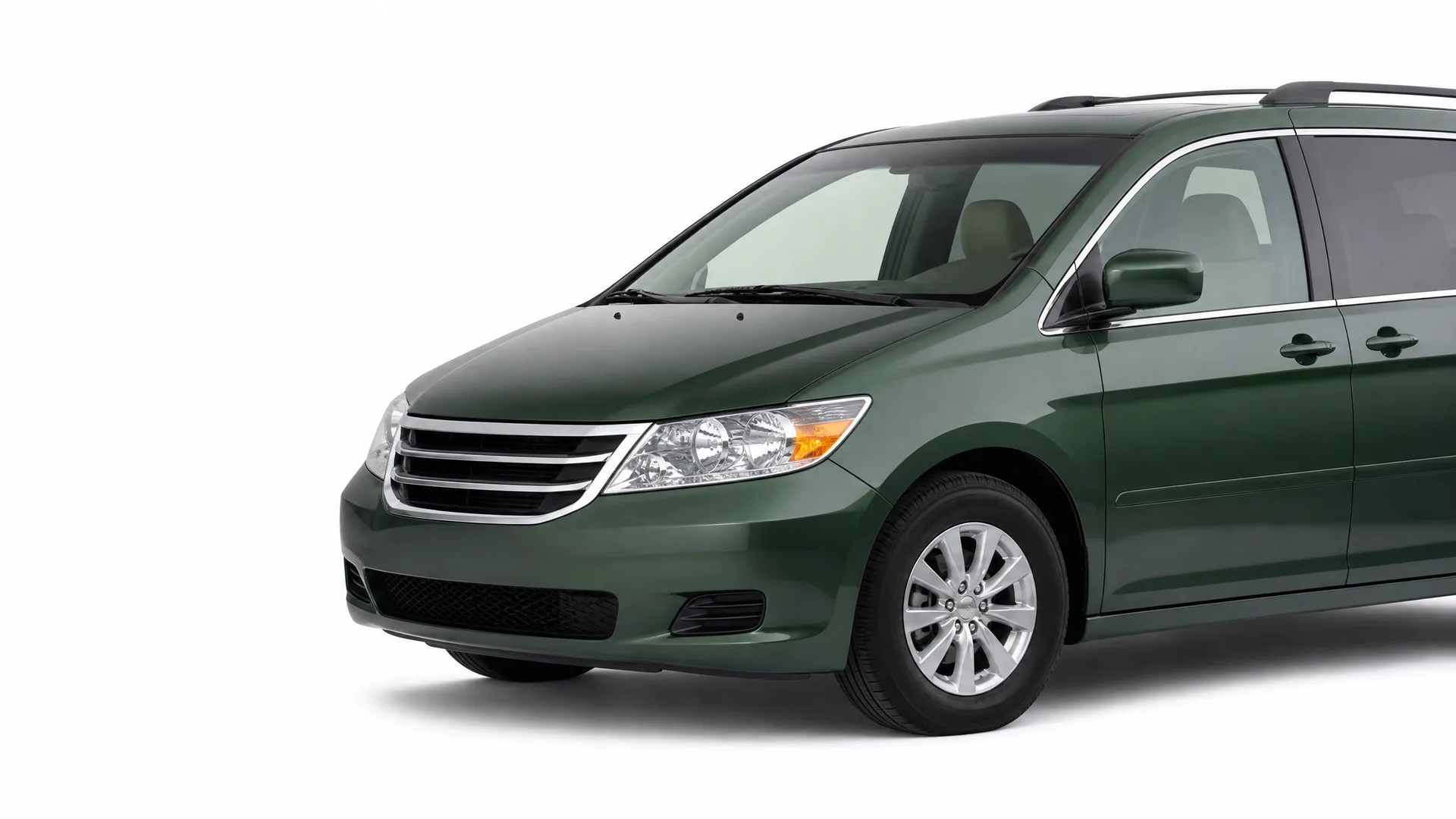
The car isn't covered because you bought it. It's covered because you called.
Once your new car is properly covered, compare quotes to make sure you're not overpaying for that coverage.

Call your insurer now or wait until later
If you do
You get a clear answer on whether you're covered right now, what coverage applies, and what it costs. You drive off knowing proof of insurance is valid. If the dealer asks, you hand over current paperwork instead of guessing or hoping the old policy stretches to cover a car it was never written for.
If you don't
You're relying on a grace period you haven't confirmed exists. If it doesn't apply to your situation, or you're past it, any accident or damage comes out of your pocket entirely. You also risk the dealer not releasing the car until proof of insurance is provided, which can delay you at the worst possible moment.
Why insurers treat a new car differently
Your policy insures specific vehicles, not you in general. When you buy a new car, it isn't automatically on your policy just because you already have one. Insurers need to know the exact vehicle, its value, and how you'll use it before they can calculate a real premium and agree to cover it. That's why calling in matters, you're not updating paperwork, you're adding a new risk to the contract.
The grace period some policies offer exists mostly for convenience, not protection. It assumes you'll call soon and simply covers the gap between driving off and making that call. But it's built around the assumption you already have an active policy with existing coverage limits, which it extends to the new car temporarily. If you're switching insurers, buying your first car, or letting a policy lapse, that assumption breaks down and the grace period may not exist at all.
Coverage choices also depend on what you owe versus what the car is worth. A new car loses value fast in the first stretch of ownership, which is exactly when you owe the most on it. Gap coverage exists for that specific mismatch, it pays the difference between the loan balance and the car's value if it's totaled. If you paid cash or owe very little, that risk doesn't apply to you, and you can skip it without second-guessing.
Where this plays out differently is based on state rules and your specific insurer's policies, both on grace periods and on what add-on coverages are even offered. Some states regulate how long temporary coverage lasts, others leave it to the insurer entirely. Check directly with your agent or insurer what your policy actually says, rather than assuming it works like a policy you had years ago or one a friend described.