How Does Replacement Cost Insurance Work
It pays to replace your totaled car with a new one of the same model, not just what the old one was worth.
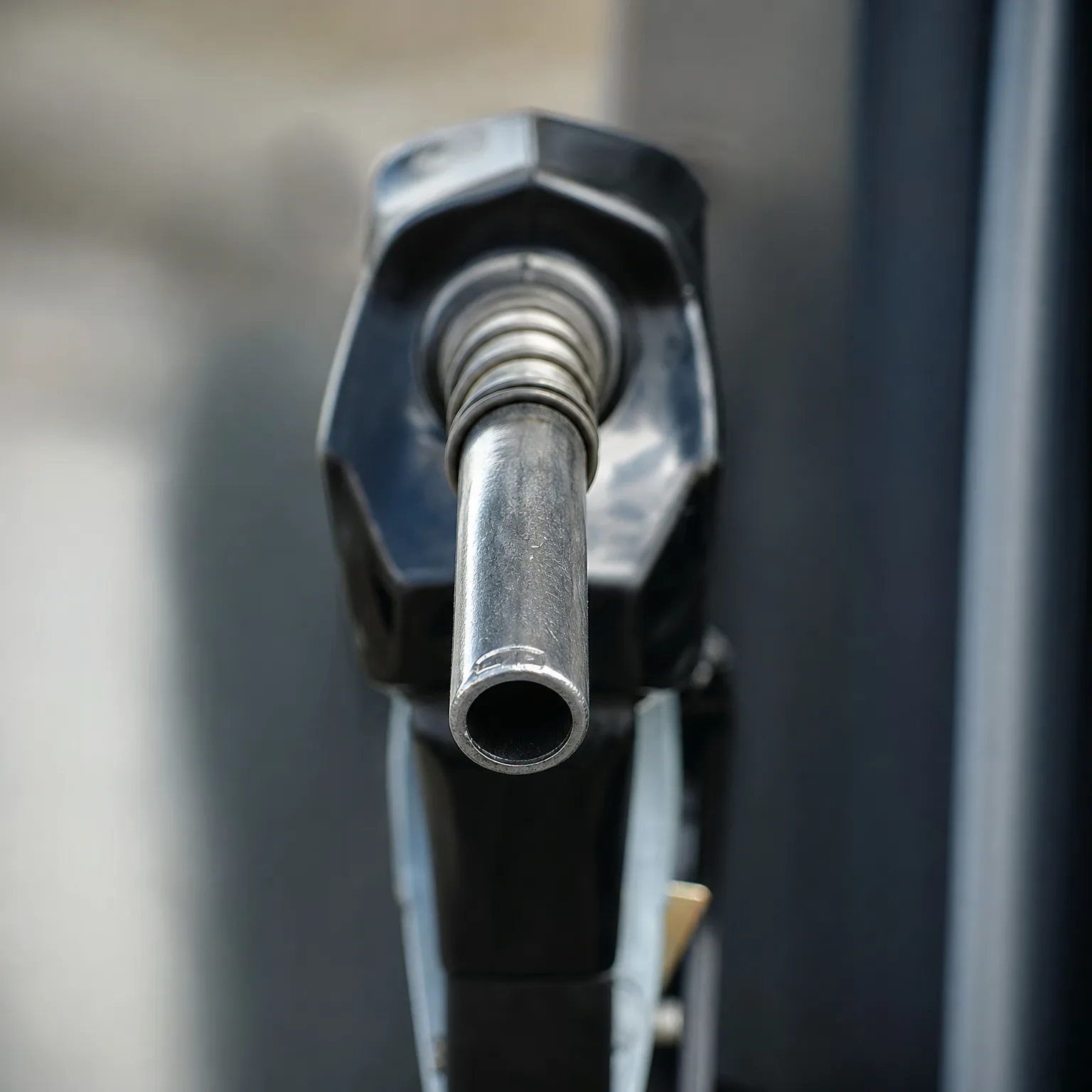
A car totaled eight months after buying it new
You bought the car new and added new-car replacement coverage when you set up the policy, because the salesperson mentioned how fast a new car loses value. Eight months later someone ran a light and totaled it. The adjuster inspected the wreck and confirmed it was a total loss, then pulled up your policy and saw the replacement coverage attached to that vehicle.
Instead of cutting you a check for what the car was worth the day before the crash, which would have been noticeably less than you paid, the insurer calculated the cost to buy the same make and model new and paid out based on that. You used the payout toward another new car from the same dealer. The difference between this and a standard payout was large enough that you were glad you'd asked about it instead of assuming your policy already worked this way.
Does this cover a car I'm still making payments on?
It can, but check how it interacts with what you owe rather than assuming the two work the same way. New-car replacement coverage pays based on replacing the car with a new one, while gap coverage specifically pays the difference between what you owe your lender and what the car is worth. If you're financing, that second feature often matters more to you day to day than the first.
Some insurers bundle both ideas into one option, others sell them separately, and the fine print on what each one actually triggers varies by insurer. Read the policy language for the vehicle you're insuring, or ask the agent directly which of these two problems the coverage you're buying actually solves.
Compare quotes that include this coverage now that you know what it actually pays for on this car.

Whether you add this coverage when you insure the new car
If you do
If the car is totaled early, the payout replaces it with a new one of the same model, not what it was worth the moment before the crash. That gap can be large in the first couple of years. You pay a bit more for the policy in exchange for that protection.
If you don't
If the car is totaled, you get paid what it was worth right before the crash, which is typically less than what you paid for it. You may be left covering the difference yourself, especially if you still owe money on the car. You save a little on the policy, but you carry that risk.
Is new-car replacement coverage the same as gap insurance?
No, they solve different problems even though people often confuse them. New-car replacement coverage pays to replace your totaled car with a new one of the same make and model, regardless of what you owe. Gap coverage pays the difference between what your lender says you owe and what the car was actually worth, regardless of whether you could buy a new one with that money. If you're financing a new car, ask whether the policy includes one, the other, or both, because having one doesn't mean you automatically have the other.
How long after buying the car can I add this coverage?
This varies by insurer, so check directly rather than assuming a standard window. Many insurers only offer this coverage on vehicles below a certain age or mileage, and some require it be added when you first insure the car rather than afterward. If you're between dealerships and insurance, don't wait, call your agent or insurer as soon as you have the car so you know your options before any window closes.
Does this coverage lower what I pay if nothing happens to the car?
No, this coverage only pays out if the car is totaled, so it doesn't reduce your everyday costs like a lower deductible might. It adds a small amount to your premium in exchange for a much larger payout in that one specific situation. If you're trying to lower what you pay regularly instead of protecting against a total loss, look at your deductible or other parts of the policy instead.
A standard payout gives you the car's worth, not its replacement cost, and that gap is worst early on.