Is 100/300/100 Insurance Enough
For most new-car buyers 100/300/100 is solid liability coverage, but it won't protect the car itself without added coverage.
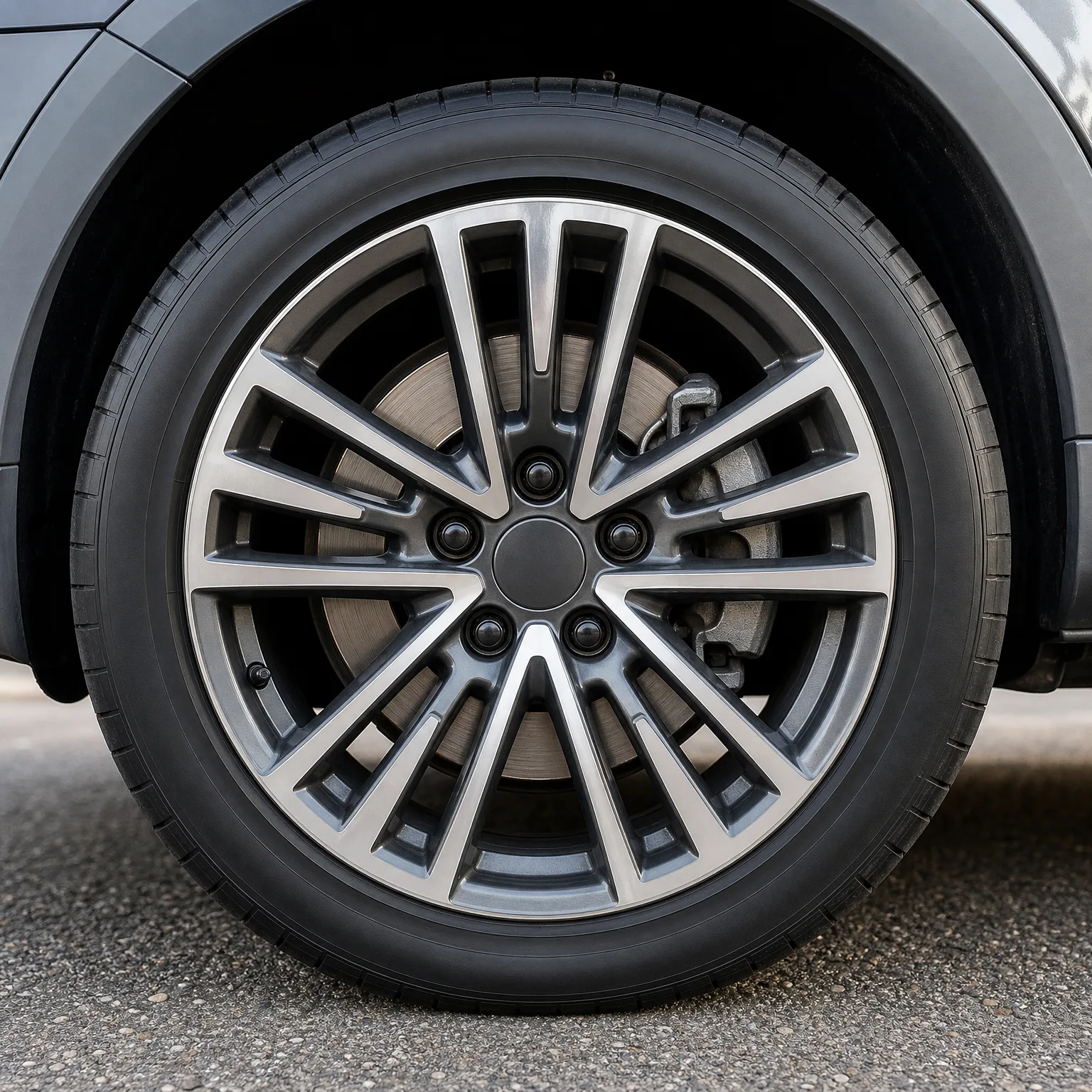
A new-car buyer picks limits at the finance desk
Someone trades in a car they drove for ten years and buys a new one. The dealer's finance manager asks what liability limits they want and mentions 100/300/100 as a common choice. They say yes because it sounds reasonable, sign the paperwork, and drive off. A few weeks later they sit down to actually review the policy.
They realize liability limits only cover damage and injuries they cause to other people. Nothing in 100/300/100 pays to repair or replace their own new car. They call their insurer, add collision and comprehensive coverage, and because the car is financed, confirm the lender's required minimums are met too. The liability limits turn out to be enough for their situation, but without checking, they would have driven a brand-new car with no protection for the car itself.
What does 100/300/100 actually not cover?
It does not cover damage to your own car, no matter who caused the accident. That's the single biggest gap people miss. If you hit a tree, another car hits you and has no insurance, or your new car is stolen, 100/300/100 pays nothing toward fixing or replacing it.
It also doesn't cover your own medical bills in most states, your passengers beyond what the policy's injury limit allows, or anything related to weather, theft, or vandalism. For a new car, this matters more than it did for an old one, because you have more value sitting at risk. You need collision and comprehensive added separately to protect the car itself, and if the car is financed, your lender almost certainly requires those anyway.

Now that you know what 100/300/100 covers and what you still need, compare quotes with those coverages already decided.

Choosing 100/300/100 as your liability limit
If you do
You're covered for a wide range of injury and property damage claims against you, higher than state minimums almost everywhere. If you cause a serious accident, you're far less likely to face a lawsuit over costs the policy didn't cover. You still need separate coverage for your own car.
If you don't
If you pick lower liability limits, you save a little on premium now but carry more personal risk in a bad accident. A serious injury claim or multi-car pileup can exceed low limits fast, leaving you responsible for the rest out of pocket. Your own car still isn't protected either way.
Do I need gap insurance with 100/300/100 coverage?
Gap insurance is a separate question from your liability limits, and yes, you likely need it if you financed the car with little down. 100/300/100 only addresses liability, not what you owe. Gap coverage pays the difference between what you owe and what the car is worth if it's totaled. Check your loan balance against the car's value, if the loan is larger, add gap.
Will 100/300/100 satisfy my car loan's insurance requirement?
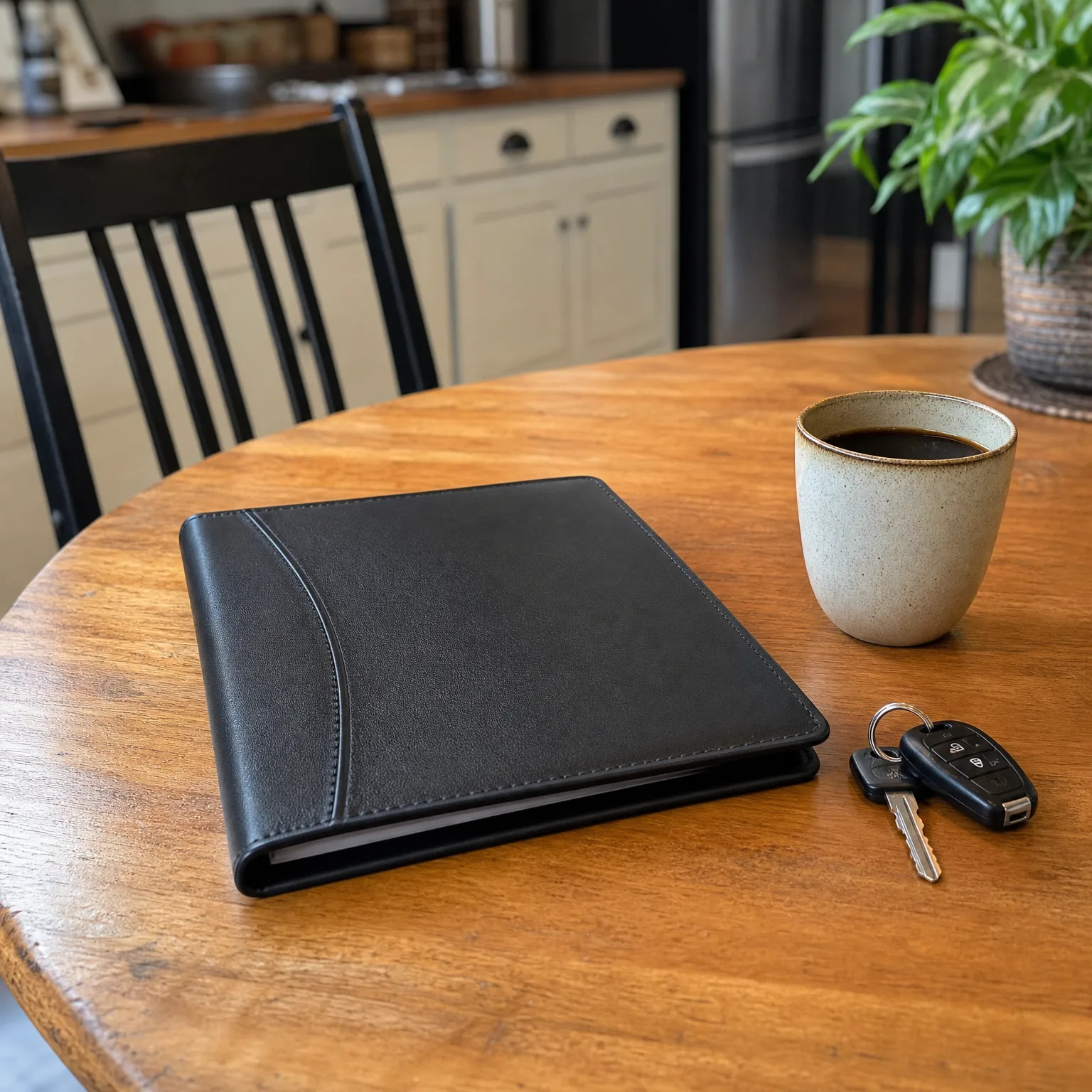
Liability limits alone won't satisfy a lender, because lenders require collision and comprehensive to protect their collateral, not just liability. 100/300/100 can be part of a policy that satisfies the lender, but you need to add physical damage coverage too. Check your loan documents for the specific deductible and coverage requirements your lender sets.
How much more does 100/300/100 cost than state minimum limits?
It costs more than state minimums, but usually by a modest amount compared to the protection gained, since liability pricing doesn't scale in a straight line. The exact difference depends on your state, driving history, and insurer. Get quotes at both limit levels side by side to see the real difference for your situation before deciding.
Liability covers harm to others, but your new car stays unprotected without coverage added for the car itself.