Is Rental Car Coverage Worth It
It's worth it only where your own policy has a gap, which usually isn't where you'd expect.
Why the answer depends on your own policy, not the rental counter
Rental car coverage exists to fill in for your regular auto policy while you're driving a car you don't own. If your policy already carries liability, collision and comprehensive coverage, most of that protection extends to a rental car automatically. The question isn't whether you need coverage in general, it's whether your current policy already gives it to you.
The part people miss is the difference between covering damage to other people and property, and covering damage to the rental car itself. Your liability coverage almost always travels with you. What's less certain is collision and comprehensive, especially right after you've bought a new car, because your policy may still be catching up to the new vehicle while the rental sits in between.
There's also the question of what the rental company bills you for while the car is out of service, separate from the repair cost itself. Some personal auto policies don't cover that at all, and credit cards that offer rental protection often exclude it too. That's a real gap, and it's one of the few places where paying for the rental company's own coverage can make sense even if your policy is otherwise solid.
What varies is how your specific insurer handles rentals tied to a claim versus a rental you book on your own for a trip. Some treat them the same, some don't. Check your policy's declarations page or ask your agent directly before you assume either way.

The short version
Rental coverage is usually redundant if your own policy already covers collision and comprehensive, but it can fill a real gap around lost-use charges that your policy or credit card may not pay. Check your declarations page before you decide. Then compare quotes knowing exactly what you're already covered for.

What to check before you decide at the counter
- Your collision and comprehensive If your policy has these, damage to the rental car itself is likely already covered. Confirm the deductible would be the same one you'd pay on your own car.
- Lost-use charges This is what the rental company charges while the car is repaired, separate from repair cost. Ask your insurer directly if your policy pays this, since many don't.
- Credit card rental benefits Some cards cover rental damage if you decline the rental company's coverage and pay with that card. Read the actual terms, not just the marketing, since exclusions are common.
- Why you're renting A rental after your own car is in a covered claim is usually treated differently than a rental you book for a personal trip. Ask your insurer which situation you're in.
- State rules on liability Liability minimums and how they apply to rentals can vary by state. Confirm your state's rule with your agent rather than assuming it matches somewhere you've lived before.
Once you know what your policy already covers in a rental, compare quotes to make sure it carries over cleanly.
A new car owner waiting on their policy to update
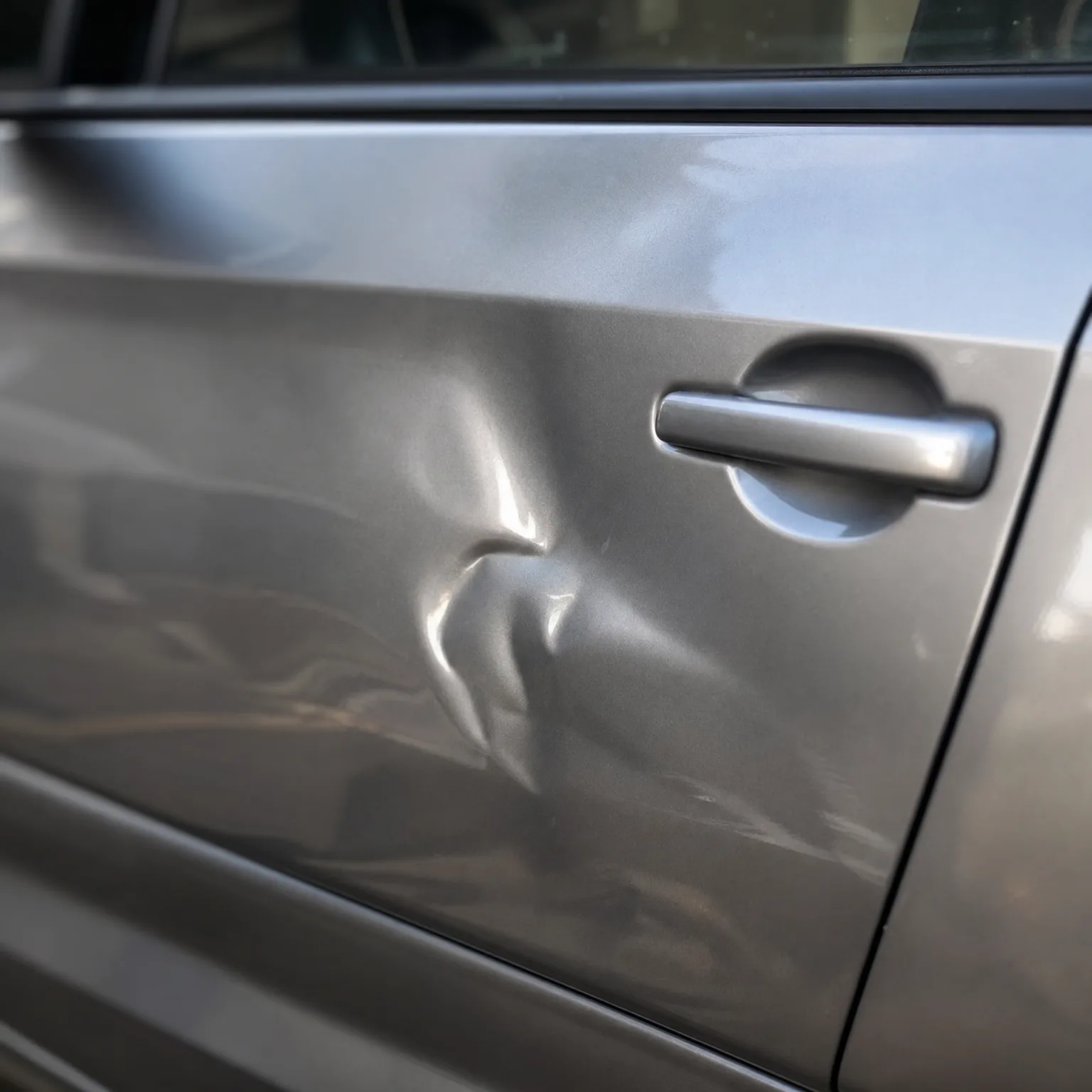
Someone traded in their old car for a new one on a Friday afternoon and the dealer required proof of insurance before they could drive off. Their agent added the new car to the policy over the phone, but the declarations page wouldn't reflect collision and comprehensive on the new vehicle for a few days while the paperwork processed. The following week, their new car needed warranty work and the dealer gave them a loaner rather than a rental, which sidestepped the question entirely.
A few months later they needed an actual rental during a trip, after their policy was fully updated. They called their insurer ahead of time and confirmed collision and comprehensive extended to rentals booked for personal travel, not just rentals tied to a claim. They declined the rental company's damage waiver but kept the separate coverage for lost-use charges, since their policy didn't pay for those and it was a small added cost. They left the counter with a clear idea of exactly what each dollar they spent was covering, instead of saying yes to everything out of uncertainty.

What happens if I decline rental coverage and the rental car is damaged?
If your own policy's collision and comprehensive coverage applies to rentals, it pays for the damage the same way it would on your own car, minus your deductible. You'd file the claim with your own insurer, not the rental company, and the rental company would bill your insurer directly or seek reimbursement through the claims process.
What you're less likely to be covered for is the rental company's charge for the car being out of service while it's repaired, sometimes called loss of use. That charge is separate from the physical damage and a lot of personal auto policies simply don't address it. If you declined the rental company's own coverage and your policy doesn't cover lost-use charges either, that cost could land on you directly. This is the main reason to check your policy's exact wording before you decline anything at the counter, rather than assuming your regular coverage handles everything a rental involves.