What to Do When Getting a New Car
Call your insurer before you drive off the lot, then decide on coverage once you know how the new car changes your policy.
Your policy follows you, but it doesn't automatically know the new car
Most policies extend some coverage to a newly acquired car for a short window, so you're not driving around completely uninsured the moment you leave the lot. But that automatic coverage usually matches whatever coverage you already carried on your old car, and it doesn't last long. If you only had liability before, that's likely all that's covering the new car too, even if you'd want more on something you just bought.
This is why calling your insurer matters even if you technically have a grace period. The dealer wants proof of insurance before you leave, and your insurer needs to know the car exists so the policy reflects it correctly going forward. Waiting past the grace period, or assuming nothing needs to change, can leave you with a gap you didn't know was there.
What coverage makes sense depends on how you're paying for the car. A lender financing the purchase will require certain coverage levels and will want to be listed on the policy. If the car is paid off outright, you have more room to decide what you actually want, though dropping to minimum coverage on a car you just paid for is its own kind of risk.
How long the automatic coverage lasts, and what it includes, varies by insurer and sometimes by state. Don't assume your grace period matches a friend's or what you remember from your last car. Check your current policy documents or call and ask directly, because this is the one detail you shouldn't guess about.
Trading in an older car for something newer
Someone trades in a ten-year-old car they'd had paid off for years and drives home the same day in a new one. They had only liability coverage on the old car since it wasn't worth much. At home that evening, they call their insurer to add the new car, expecting a quick update.
The agent explains that liability alone would technically carry over, but asks if they want full coverage given the car is new and worth far more than the one it replaced. They also ask whether the buyer is financing, which they aren't, since the car was bought outright. Because there's no lender requirement, the decision comes down to what the owner is comfortable risking. They add collision and comprehensive, and the policy updates before the grace period would have run out. A week later they compare quotes from other insurers with the exact coverage now in mind, rather than guessing at what to ask for.
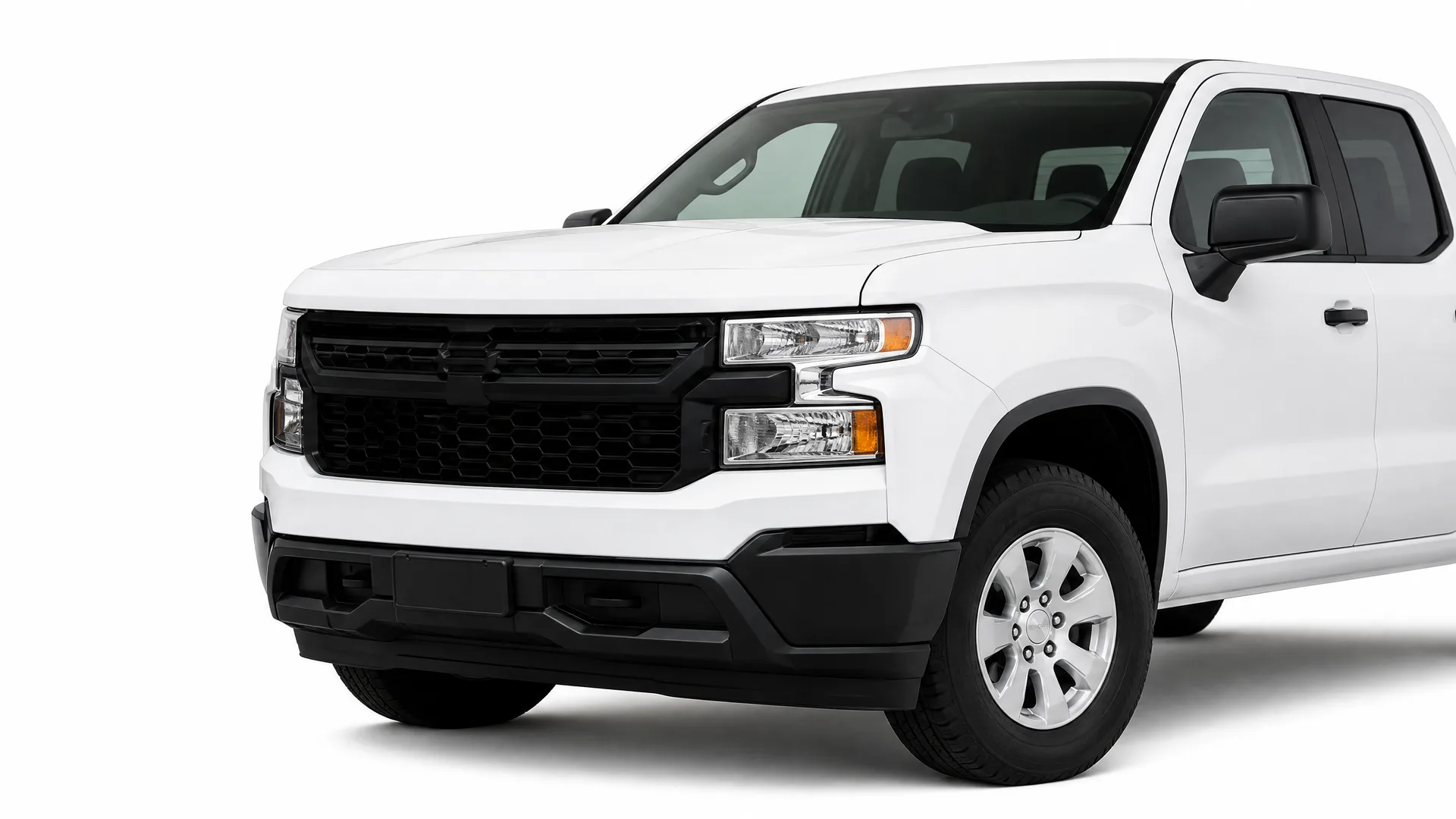
Old coverage carries over automatically, but it may not fit a car worth far more than the one you traded in.
Now that you know what coverage the new car needs, compare quotes for that exact coverage instead of guessing.

Whether you call your insurer before driving home
If you do
Your policy gets updated with accurate coverage for the actual car you now own. The dealer gets proof of insurance without delay, any lender is listed correctly, and you know exactly what you're covered for starting the moment you drive off, instead of hoping an old policy happens to fit.
If you don't
You may be relying on temporary coverage that matches your old car, not the new one, and you won't know its limits or how long it lasts. If you miss the window to update your policy, you could end up driving uninsured or underinsured without realizing it.

What actually needs deciding about the new car
- Grace period length Your insurer extends some coverage automatically for a limited time, but how long varies. Check your policy or ask directly instead of assuming it matches what you've heard elsewhere.
- Matching old coverage Automatic coverage usually mirrors what you had on your previous car, not what the new one might need. If you only carried liability before, that's likely all that's covering the new car too.
- Lender requirements If you're financing, the lender will require certain coverage levels and needs to be listed on the policy. If you paid outright, you decide coverage levels yourself.
- Gap or replacement coverage This matters if the car could be totaled early and you'd owe more than it's worth or want it replaced rather than paid out at depreciated value. Ask your insurer whether it's available and what it covers.
- Dealer add-ons The finance office may pitch extra coverage or protection plans. Compare what they offer against what your insurer can provide before deciding, since it's often duplicated or unnecessary.
Do I need gap insurance or new car replacement coverage?
It depends on how much you owe compared to what the car is worth, and how you'd feel about that gap if the car were totaled early. If you financed with a small down payment, or the car depreciates quickly, there's a real chance the payout from standard coverage wouldn't cover what you still owe. Gap coverage is built for exactly that situation.
New car replacement coverage is different. It pays to replace the car with a new one rather than paying out its depreciated value, which matters most in the first stretch of ownership when depreciation is steepest. If you paid cash or have a large equity cushion, you may not need either. Ask your insurer what's available, since not every insurer offers both, and terms vary. Don't rely on what a dealer's finance office offers without comparing it to what your own insurer would charge for the same protection.