Why New Cars Cost More to Insure
A new car costs more to insure because it's worth more to replace and more expensive to repair with current parts and technology.
Insurers price the car's value and repair cost, not just your driving
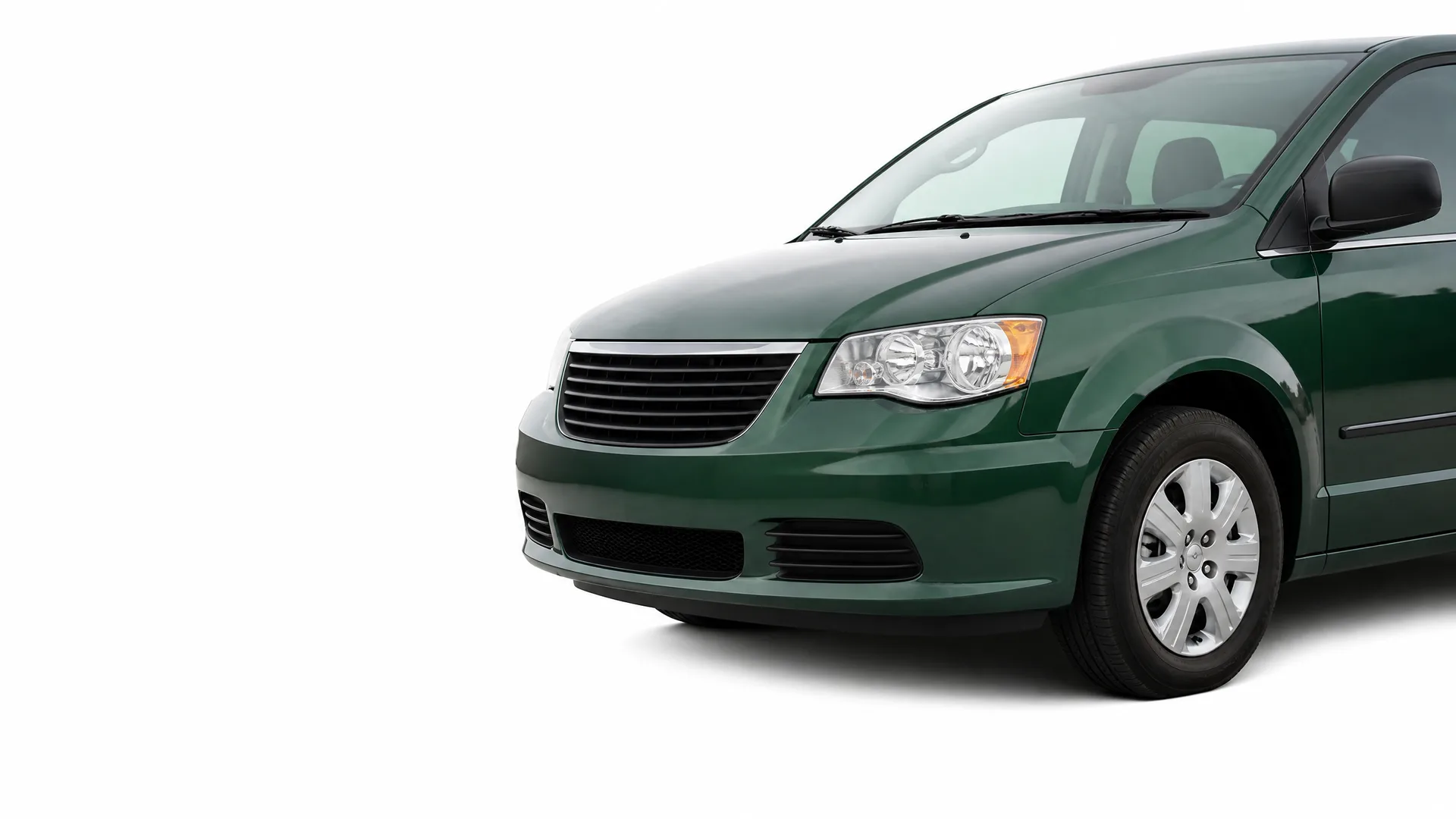
Your premium is built around what the car would cost to replace or fix after a claim. A new car has a higher market value than the one you traded in or sold, and that alone raises the cost of both collision and comprehensive coverage. Replacing it with another new one, or paying out its value if it's totaled, simply costs more than doing the same for an older car.
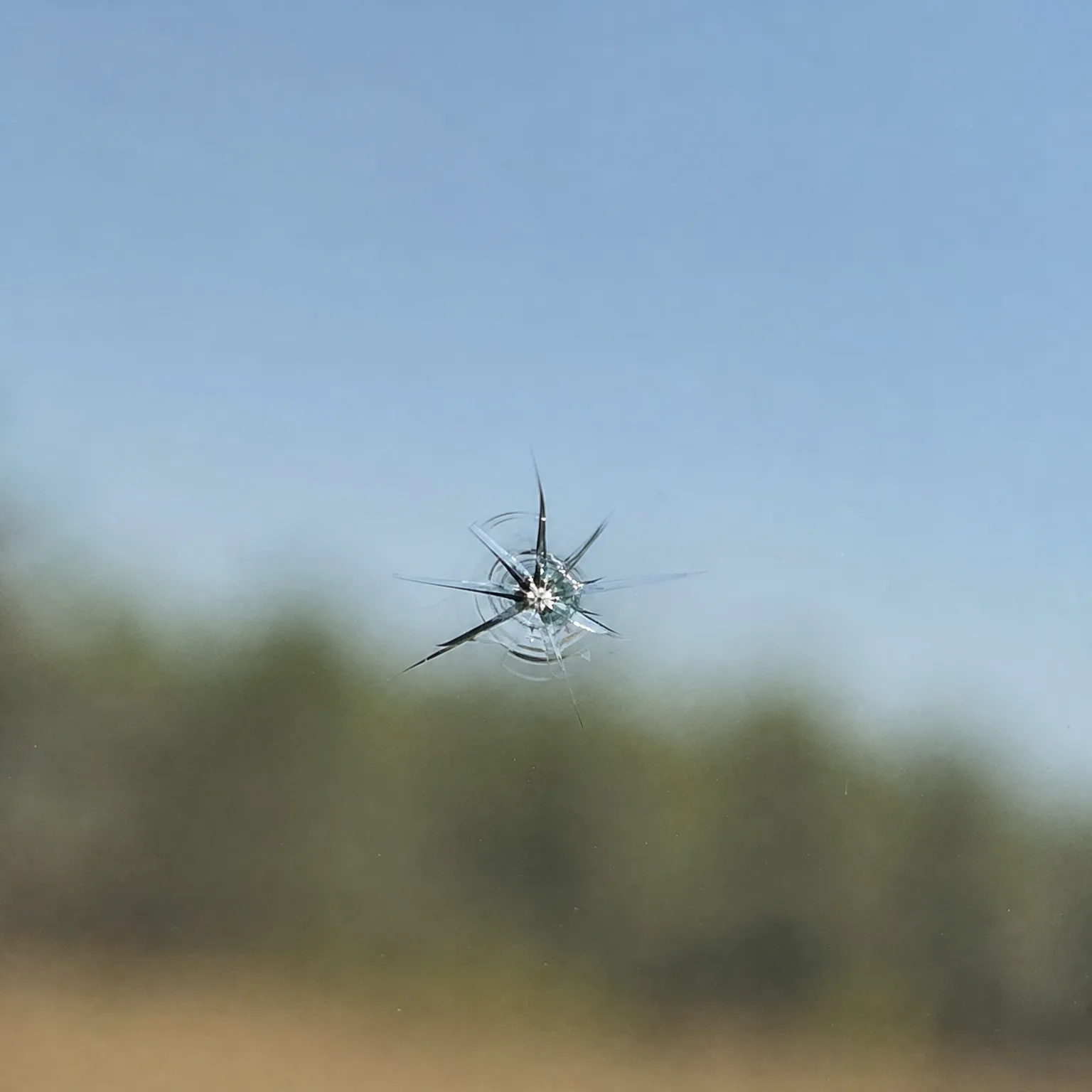
Repair costs matter just as much as the sticker price. Newer cars often have sensors, cameras and specialized parts bound up in bumpers and panels that used to be simple sheet metal. A minor fender bender on a new model can cost far more to repair than the same crash on an older one, because the parts are pricier and the labor requires more calibration.
If you financed or leased the car, the lender usually requires coverage levels higher than what you might choose on your own, and that requirement adds to the cost too. The loan protects the lender's stake in a car that depreciates the moment you drive it off the lot, which is a separate issue from what the car is worth to insure.
What varies by insurer is how heavily each of these factors gets weighted, and some insurers price certain models or safety features more favorably than others. It's worth checking how your specific make and model is rated rather than assuming all new cars cost the same to insure.

Trading a ten-year-old sedan for this year's model
Someone traded in a car they'd driven for a decade for a new one, and got a quote nearly double their old premium. Their driving record hadn't changed, and they still lived in the same place with the same commute. What changed was the car itself, since the new model had a higher replacement value and repair costs for its bumper sensors and camera system ran well above what a plain bumper would have cost on the old car.
They called their insurer to ask what was driving the increase before assuming they needed every add-on being offered. The agent walked through the breakdown and confirmed that collision and comprehensive made up most of the jump, while liability had barely moved. Knowing that, they decided to keep full coverage since the car was financed, but skipped a few optional extras that didn't fit their situation. They also shopped two other quotes before their temporary coverage window closed, and found a meaningful difference between insurers for the exact same car and coverage.
Will my new car cost this much to insure forever?
No. The cost is highest when the car is newest and most expensive to replace or repair, and it typically eases as the car ages and its value drops. Each year you keep it, the gap between its replacement cost and an older car's narrows, and premiums tend to follow that decline.
How much it drops and how fast depends on the model, since some cars hold their value and their repair costs longer than others. It's worth checking in periodically, especially once a loan is paid off, since you may no longer be required to carry the same coverage levels and can reassess what you actually need.
Now that you know what's driving the higher cost, compare quotes to see which insurer prices your new car most fairly.

Whether you shop around before choosing coverage
If you do
You compare how different insurers price the same car and coverage, and you often find real differences since insurers weigh the car's value and repair costs differently. You pick coverage that matches your situation, whether financed or owned outright, instead of defaulting to whatever the first quote includes.
If you don't
You accept the first number you're given, which may bundle coverage levels you don't need or miss a better price elsewhere for identical protection. You risk paying more than necessary for months or years before ever learning what else was available.
What actually drives up the cost of insuring a new car
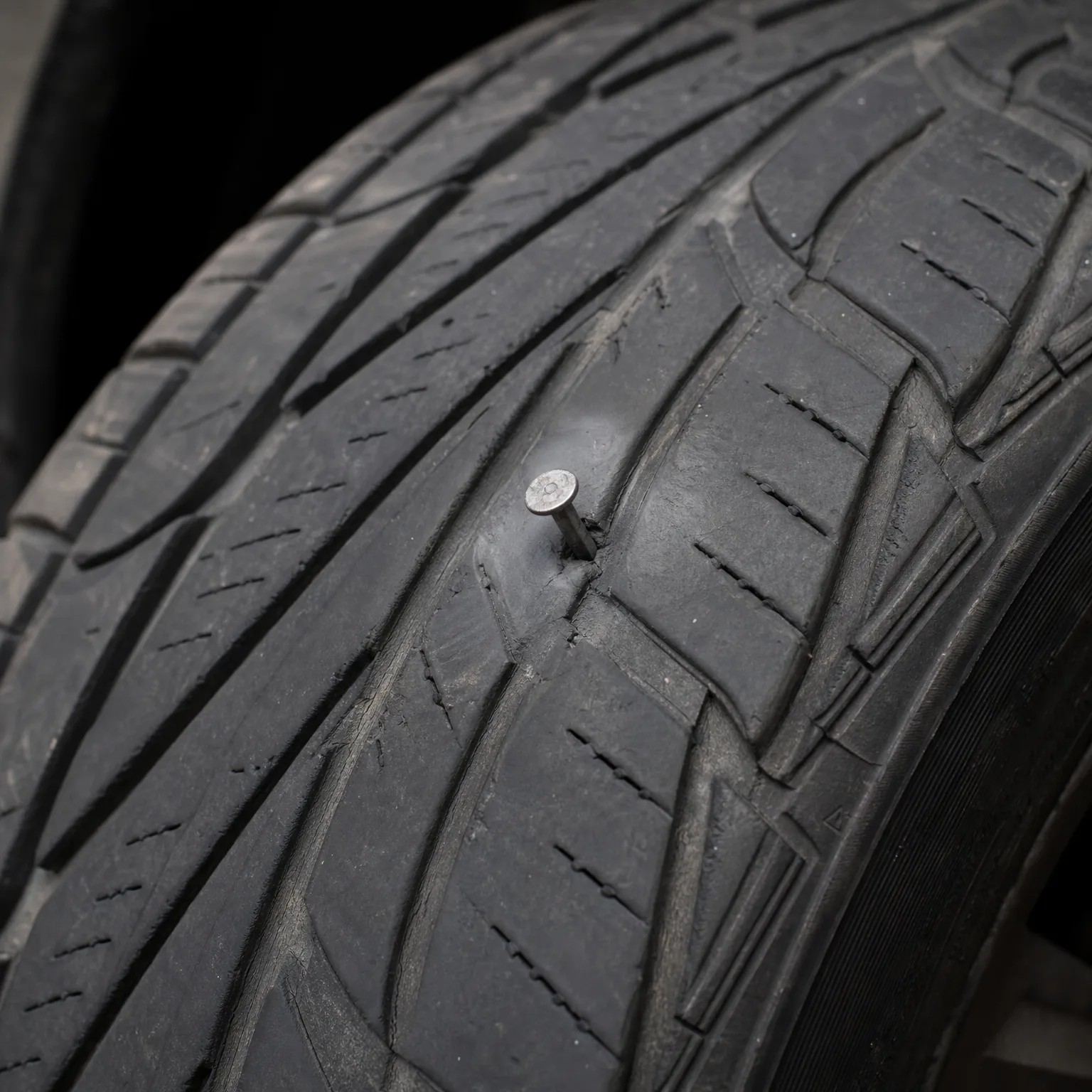
- Replacement value A new car costs more to replace if it's stolen or totaled, which raises comprehensive and collision costs. Check your quote's breakdown to see how much of the increase comes from this versus other factors.
- Repair complexity Modern safety features and sensors make even small repairs more expensive. Ask your insurer or a body shop what a routine bumper or panel repair runs on your specific model.
- Lender requirements If you financed or leased, the lender likely requires coverage above state minimums. Check your loan or lease agreement for the exact coverage and deductible limits it demands.
- Gap in value coverage Early on, you could owe more than the car is worth if it's totaled. Ask your insurer whether gap or new-car replacement coverage is available and whether you actually need it.
- Grace period to add the car Most policies give you a short window to add a new car before coverage lapses. Check your policy or call your insurer right away to confirm the deadline and avoid a gap.
The premium prices the car, not your driving, so the real decision is what coverage that car needs.