Car Warranty vs Car Insurance
A warranty pays for mechanical defects and breakdowns, while insurance pays for accidents, theft, and damage from events on the road.
They protect against two different kinds of failure
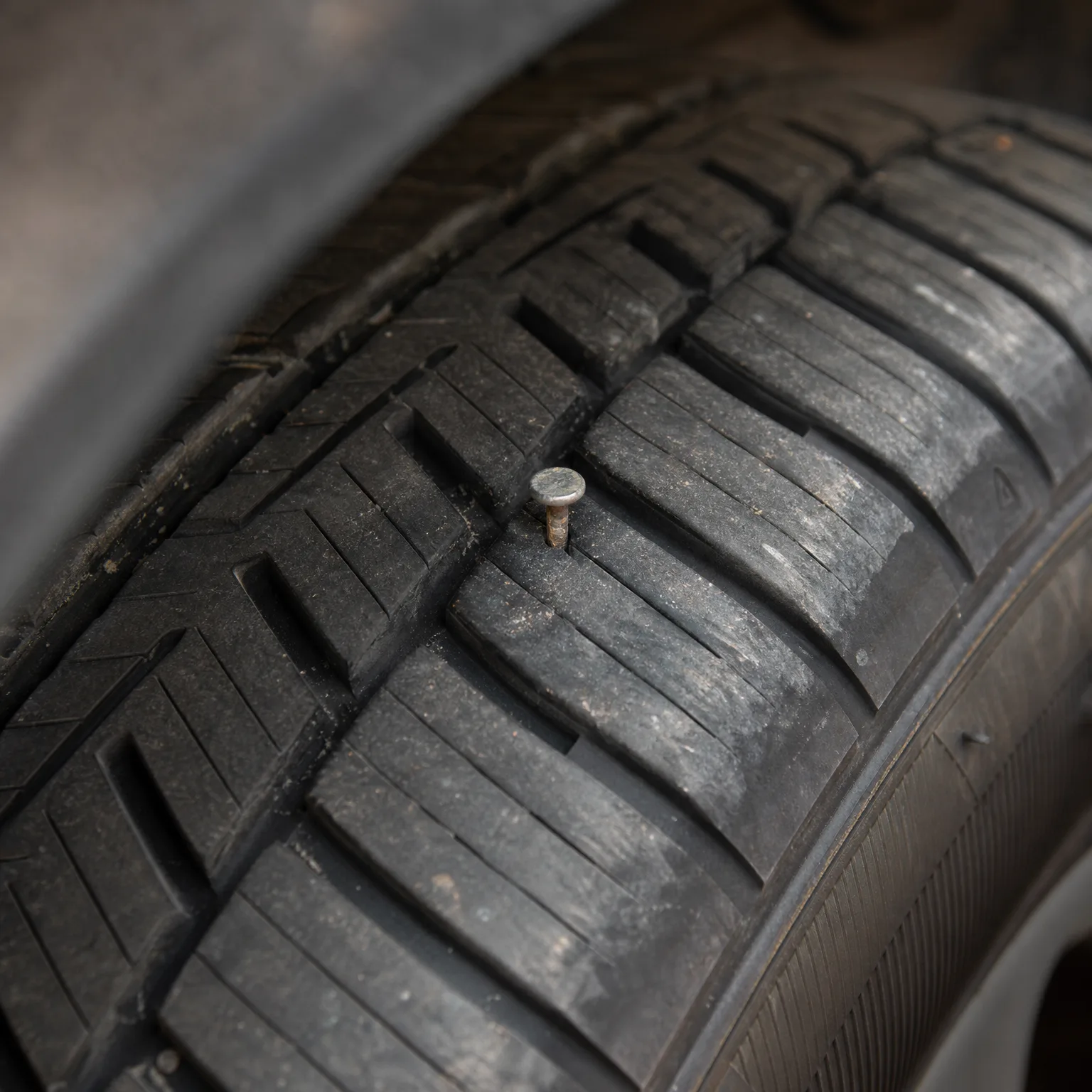
A warranty exists because manufacturers stand behind the parts and workmanship in the car they built. If a component fails on its own, from a bad sensor to a transmission that wears out early, the warranty covers the repair because the car didn't perform the way it was supposed to. It has nothing to do with how the car was used on the road.
Insurance exists because cars get hit, stolen, vandalized, and driven into things, and none of that is a manufacturing problem. It covers events, not defects. A collision, a hailstorm, a deer in the road, someone backing into your bumper in a parking lot, all of these are things insurance responds to and a warranty never will.
This is why the two don't overlap and don't compete. A warranty claim starts with a dealer or mechanic diagnosing why a part failed. An insurance claim starts with an incident, a date, a cause outside the car's own workmanship. You can have a warranty and still total the car in an accident the same week, and the warranty won't pay a cent toward that, because nothing about the car's manufacturing caused the crash.
Where this gets confusing is when damage looks mechanical but started as an accident, like a radiator that cracks after a minor collision. In that case insurance covers it, because the root cause was the collision, not a defect. If you're ever unsure which one applies, ask what caused the problem in the first place. That answer tells you which coverage to call.
When a new transmission and a fender-bender happen the same month
Say you buy a new car and six months later the transmission starts slipping. You take it to the dealer, and because it's still under the factory warranty, they diagnose it as a manufacturing defect and repair it at no cost to you. You didn't file an insurance claim because nothing happened on the road, the car simply failed on its own, and that's exactly what the warranty is for.
Then a few weeks later someone rear-ends you at a stoplight. The bumper is crushed and the trunk won't close. This time you call your insurer, not the dealer, because the warranty has nothing to do with a collision someone else caused. Your insurance covers the repair, and depending on your coverage, you may also get a rental car while the body shop does the work. Two incidents, same car, same month, and each one went to a completely different place because each one had a completely different cause.
A warranty doesn't lower how much insurance you need. Both stay required the whole time you own the car.
Compare insurance quotes now that you know a warranty won't touch accidents, theft, or weather damage.

Deciding whether to buy extra coverage from the dealer on top of both
If you do
You pay more upfront or roll the cost into your loan, and you get backup coverage for repairs the factory warranty might not include, like certain wear items or coverage past the factory term. Read exactly what's covered before buying, since these plans vary and often exclude what insurance already handles.
If you don't
You rely on the factory warranty for defects and your insurance policy for accidents and other covered events, which is enough for most new car owners. You keep more cash available now and can always buy an extended plan later if you decide you want it, often for less than the dealer quotes at signing.
Does my insurance go up if I use my warranty, or vice versa?
No. These are separate companies, separate claims systems, and separate records. Using your warranty to fix a failed part has no effect on your insurance rate, because insurers price your policy based on accidents, violations, and claims history related to driving, not mechanical repairs done under warranty.
The same separation works the other way. Filing an insurance claim after an accident doesn't affect your warranty coverage or void it, as long as the repair work is done properly and you're not making modifications the warranty specifically excludes. The only time they intersect is if poor repair work from an insurance claim later causes a mechanical problem, which is rare and usually a dispute about the repair shop's work rather than the warranty or policy itself.