Dealer Add Ons and Insurance
Some dealer add-ons need their own insurance coverage, and some are a waste of money no matter what you buy.
What to do with each common add-on
- Extended warranties These are service contracts, not insurance, and your auto policy doesn't touch them. Decide based on the car's reliability and how long you plan to keep it, not on anything the finance office tells you about risk.
- Paint and fabric protection This covers cosmetic wear, not accidents, theft, or weather damage, which your comprehensive coverage already handles. Skip it unless you have a specific reason to worry about stains or fading.
- VIN etching discounts These sometimes qualify you for a small discount on comprehensive coverage, but the discount rarely covers the cost of the add-on itself. Ask your insurer before you pay for it, not after.
- Gap coverage sold by the dealer This is real coverage worth having if you owe more than the car is worth, but the dealer's price is usually higher than buying it through your insurer. Compare both before you agree to the dealer's version.
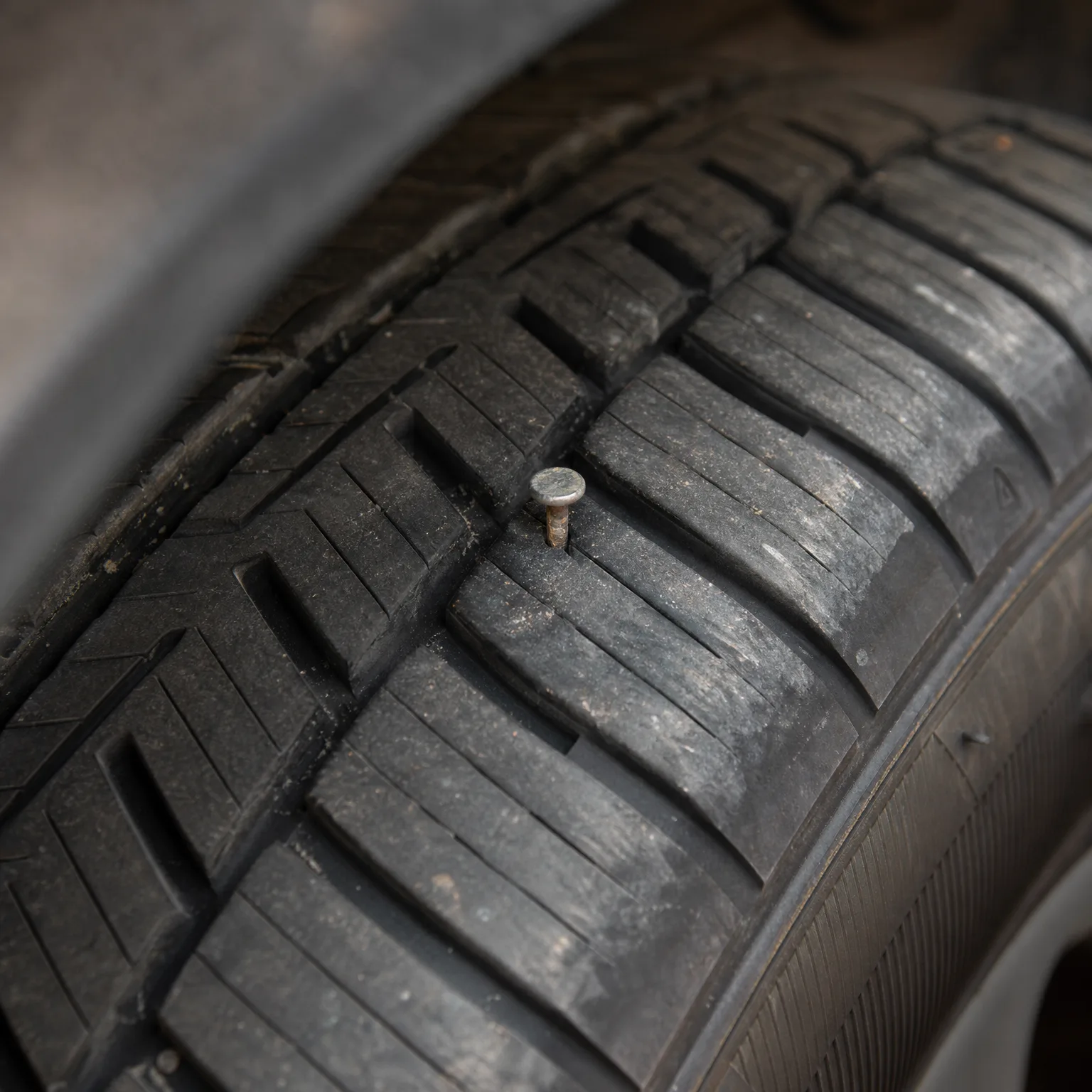
- Tire and wheel protection This covers road hazard damage that your auto policy doesn't pay for, since that's wear and tear, not a covered loss. Worth considering only if you drive a lot on rough roads and plan to keep the car a long time.
Should you buy gap coverage from the dealer or from your insurer?
Buy it from whichever one actually offers it cheaper, but check your insurer first. Dealer gap coverage gets added to your loan, so you pay interest on it for the life of the loan, which makes it cost more than the sticker price suggests.
Your insurer, if it offers gap coverage, usually charges a small amount added to your regular premium, with no interest and no long-term commitment. You can drop it once you owe less than the car is worth, something you can't easily do with a dealer's version baked into your financing.
The coverage itself works the same either way. It pays the difference between what you owe and what the car is worth if it's totaled. The only real question is which version costs less over time, and that depends on your loan terms and your insurer's rates, so it's worth a direct comparison before you sign anything in the finance office.
Most add-ons duplicate coverage you have, except gap coverage, worth comparing before buying it there.
Now that you know which add-ons to skip and which coverage you need, compare quotes to see the real cost.

Buying gap coverage from the dealer instead of comparing first
If you do
You sign in the finance office and the cost gets rolled into your loan. You pay interest on it for years, and if you pay off the loan early or refinance, you may have to request a refund yourself instead of it happening automatically. You never find out if your insurer would have charged less.
If you don't
You take a few minutes to ask your insurer what they'd charge for the same coverage before you leave the dealership. In most cases it costs less and attaches directly to your policy, so you can drop it the moment you owe less than the car is worth.
Why dealer add-ons are priced the way they are
Dealer add-ons exist because the finance office makes money on them, often more than on the car itself. That doesn't make every add-on worthless, but it explains why they're presented with urgency and bundled together during the one part of the process when you're least likely to comparison shop.
Most of what's being sold either duplicates coverage your auto policy already includes, like comprehensive coverage for cosmetic and weather damage, or covers something so narrow that it rarely pays off for the average driver. The dealer isn't lying about what the add-on does, but they're selling it at a markup and at a moment designed to make you decide fast.
Gap coverage is the exception because it solves a real problem, the gap between a loan balance and a car's actual value early in the loan. But the same coverage is often available through your insurer for less, without the interest cost of rolling it into your loan. The dealer's version isn't wrong, it's just rarely the cheapest version.
Where this varies is state to state and insurer to insurer. Some states regulate how gap coverage can be sold or priced, and some insurers don't offer it at all, especially for certain vehicle types. Check with your insurer directly rather than assuming they do or don't offer it.
Can I cancel a dealer add-on after I sign the paperwork?
In most cases yes, especially for service contracts and protection packages, since many are cancellable within a window for a prorated refund. Check the contract for a cancellation clause and a deadline, since it varies by state and by what you bought. Call the add-on provider directly rather than the dealer, since dealers sometimes make cancellation slower than it needs to be.
Does my credit card already cover some of what the dealer is selling?
Some cards offer extended warranty benefits or purchase protection that overlaps with what the finance office is pitching. Check your card's benefits guide before you buy anything duplicative. This varies a lot by card issuer and card tier, so don't assume without checking.
Will my insurer cover a dealer add-on if it's stolen or damaged separately from the car?
It depends on the add-on and how it's installed. Permanently attached accessories are often covered under your existing comprehensive coverage, while standalone items may need to be listed separately. Ask your insurer what counts as part of the car versus personal property, since this is one of the more common gaps people discover only after a loss.