Does Engine Size Matter for Car Insurance Rates
Yes, a bigger or more powerful engine usually raises your premium, because insurers see more power as more risk.
Why insurers price power the way they do
Insurers set your rate by estimating how likely you are to file a claim and how much that claim will cost. Engine size is one signal among many because a larger or more powerful engine tends to mean higher speeds, quicker acceleration, and a car that's more expensive to repair or replace. Statistically, cars with bigger engines are also linked to more severe accidents, not necessarily more frequent ones, but costlier when they happen.
That said, engine size rarely acts alone. Insurers look at the whole vehicle profile, including the trim level, the car's safety record, how often that model is stolen, and what parts cost to replace. A four-cylinder turbo built for performance can cost more to insure than a six-cylinder engine in a family SUV, because the insurer is really pricing the car's overall risk, not the engine in isolation.
Where you live and how you drive matter just as much. Someone with a clean record driving a high-horsepower car in a low-traffic area may pay less than someone with a modest engine but a riskier commute or driving history. The engine is a factor that nudges the number, not the only thing deciding it.
How much engine size moves your specific rate varies by insurer and by state, since each company weighs these factors differently and some states limit which factors can be used at all. Ask your insurer directly how they weigh engine size and horsepower for your policy.
The short version
Yes, engine size matters, because more power usually means more risk and higher repair costs in an insurer's eyes. But it's one factor among many, including the car's trim, safety record, and theft rates. Get quotes for the exact trim you're buying before you assume the engine alone set the price.
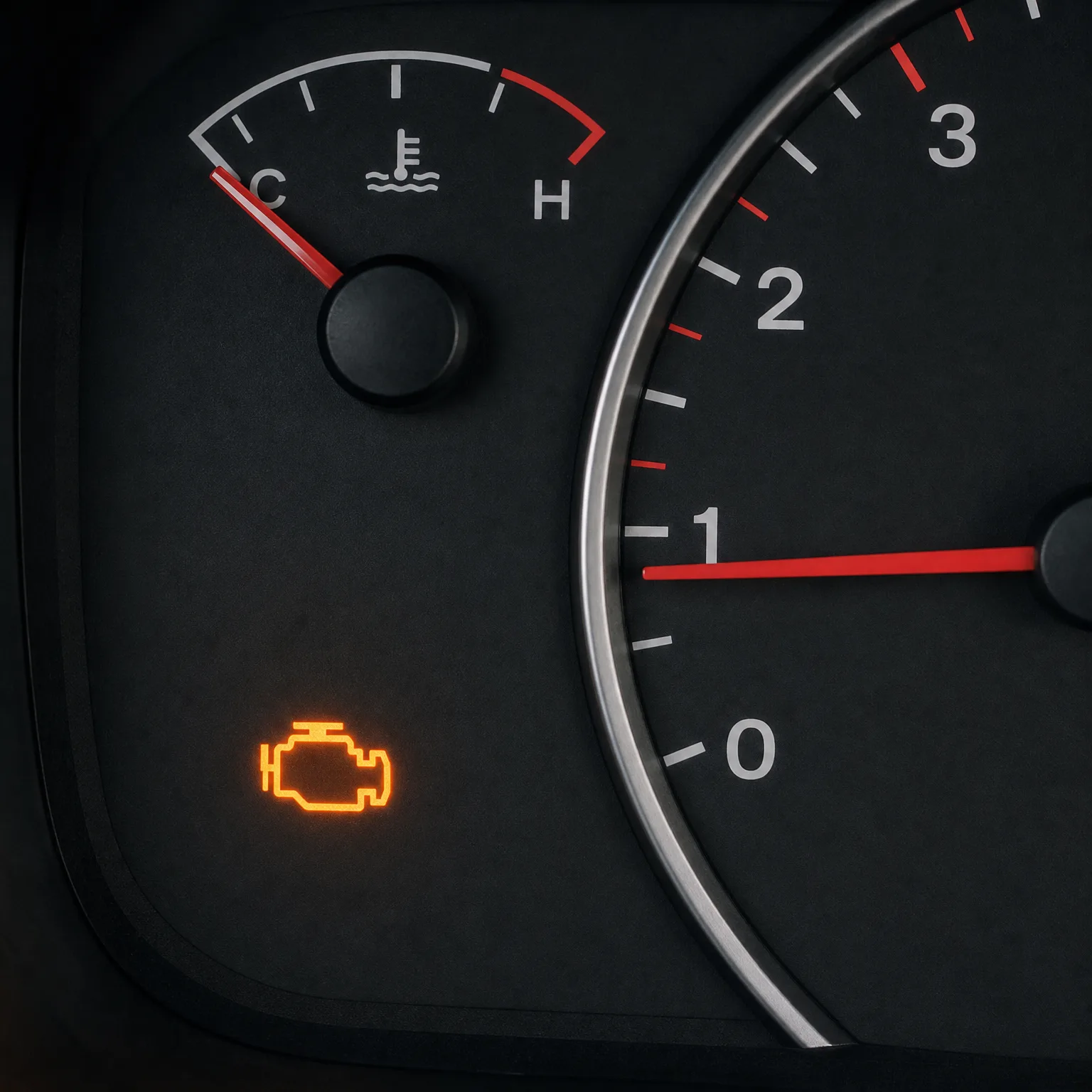
What actually moves the number on your quote
- Trim, not just engine The same model often comes in several trims with different engines. Ask your dealer or insurer for a quote on the exact trim and engine combination you're buying, not just the model name.
- Horsepower over displacement Insurers often care more about how fast a car accelerates than its engine size in liters. A smaller turbocharged engine can rate similarly to a larger one if performance is comparable.
- Repair and parts cost High-performance engines often need specialized parts and labor. Ask your insurer if this model has a history of expensive repairs, since that can matter as much as the engine itself.
- Safety and theft data Insurers factor in how often a model is stolen and how it performs in crash tests. These numbers can offset or compound whatever the engine size suggests, so ask what data they used.
- State and insurer differences How much weight is given to engine size varies by company and is limited in some states. Ask your insurer directly how they factor it into your specific rate.
Now that you know engine size is one piece of the puzzle, compare quotes for your exact trim to see the full picture.
Choosing between two trims of the same car
Say you're replacing a decade-old sedan with a new one from the same brand. The dealer has two trims on the lot, a standard four-cylinder and a sportier turbocharged version with noticeably more horsepower. The price difference between the trims is modest, so you're tempted to go with the turbo for the extra performance.
Before signing, you call your insurer and ask for quotes on both trims by their exact names, not just the model. The turbo comes back higher, not dramatically, but enough to notice, because of its horsepower and the cost of its performance parts. You also ask how each trim rates for safety and theft, and it turns out they're nearly identical on both counts. With that information, you decide the standard trim fits your budget better once insurance is factored in, and you tell the dealer that's the one you want before anything is finalized. You end up with a car that costs less to insure and still meets what you needed, because you checked before you committed instead of after.
Ask about your exact trim's rate, not the model's, since that's the number that actually applies to you.
Will a smaller engine guarantee a cheaper insurance rate?
No, a smaller engine doesn't guarantee a lower rate, because insurers weigh many factors together and engine size is just one of them. A small engine in a car with a poor safety record, high theft rates, or expensive parts can still cost more to insure than a larger engine in a car that rates well on those other measures.
This is why the only reliable way to know your rate is to get a quote for the specific car you're considering, trim and all, rather than assuming based on engine size alone. If lowering your premium is the goal, ask your insurer which factors are driving the quote up, since it might be something other than the engine you can address, like adjusting your coverage or deductible instead of changing which car you buy.