Does Full Coverage Pay for Car Repairs
Full coverage pays for repairs when damage comes from a collision or from things like weather, theft, or animals, minus your deductible.
It splits repairs into two causes, and covers both differently
Full coverage is really two separate coverages working together. Collision coverage pays for repairs when your car hits something or something hits it, regardless of who caused it. Comprehensive coverage pays for repairs from almost everything else, things like hail, fire, falling trees, theft, or hitting an animal. Together they cover most of the ways a car gets damaged, which is why people call the combination full coverage.
Both coverages pay out the cost to repair your car, up to its actual value, after you pay your deductible. That deductible is a set amount you chose when you bought the policy, and it comes out of every claim before the insurer pays the rest. A higher deductible lowers your premium but raises what you pay when something happens.
What full coverage does not pay for is routine wear, mechanical breakdowns, or damage from driving the car with known problems. A transmission that fails from age is not a covered repair, even under full coverage. Insurers treat that as maintenance, not an accident, and the distinction matters a lot when you're deciding whether to file a claim at all.
The other thing that varies is how the insurer decides your car's value and whether repair costs exceed it. If repairs cost more than the car is worth, the insurer may declare it a total loss and pay you that value instead of fixing it. How that value gets calculated differs by insurer, so it's worth asking directly how they handle it before you need to know.
What full coverage actually pays for
- Collision damage This pays for repairs when your car hits another car or object, no matter who's at fault. Check your deductible amount, since that's what you'll owe before coverage kicks in.
- Weather and other events Comprehensive pays for damage from hail, floods, fire, falling objects, or animals. Ask your insurer which events count, since definitions can differ slightly by policy.
- Theft and vandalism If your car is stolen or damaged by vandalism, comprehensive is what pays for it. Keep a record of your car's condition so a claim is easier to support.
- Total loss payout If repair costs exceed your car's value, you get paid that value instead of a repair. Ask how your insurer calculates value, since methods vary.
- Your deductible first Every claim starts with you paying the deductible before the insurer pays the rest. Choose a deductible you could actually afford to pay on short notice.
Full coverage is two coverages with different triggers, and knowing which one applies changes what you file.
Now that you know what full coverage repairs, compare quotes to find the deductible and price that fit your car.
Is it worth filing a claim for a small repair?
Often it isn't, and that's worth thinking through before you call your insurer. If the repair cost is close to your deductible, filing a claim may get you little or no payout while still going on your record.
Insurers can raise your premium after a claim, even one that wasn't your fault in some states, and that increase can cost more over time than the repair itself. A good rule is to compare the repair estimate to your deductible and think about how long you plan to keep the policy with that insurer.
If the damage is minor and the cost is near your deductible, paying out of pocket often makes more financial sense. If the repair is expensive or the damage affects safety, filing makes sense despite the possible premium impact.

Deciding whether to carry full coverage on this car
If you do
If your car is damaged by a collision, weather, theft, or an animal strike, you file a claim and pay your deductible. The insurer covers the rest of the repair cost, or pays you the car's value if it's totaled. You're protected from paying the full repair bill yourself.
If you don't
If you only carry liability and your own car is damaged, you pay for repairs yourself, no matter the cause. This can work if the car is old and worth little, but it's a real risk for a car you just bought or financed. Weigh the car's value against the coverage cost.
Does full coverage cover a cracked windshield?
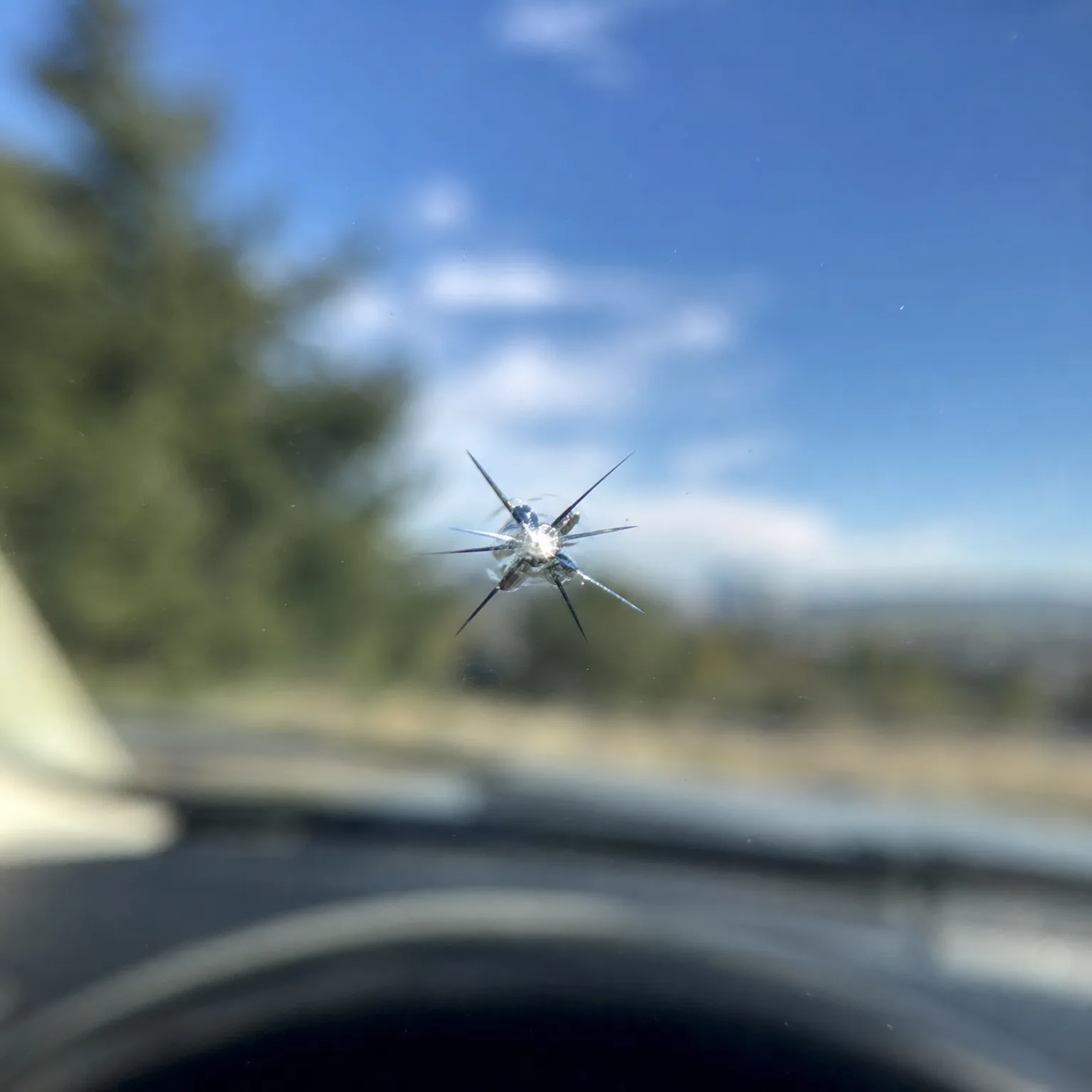
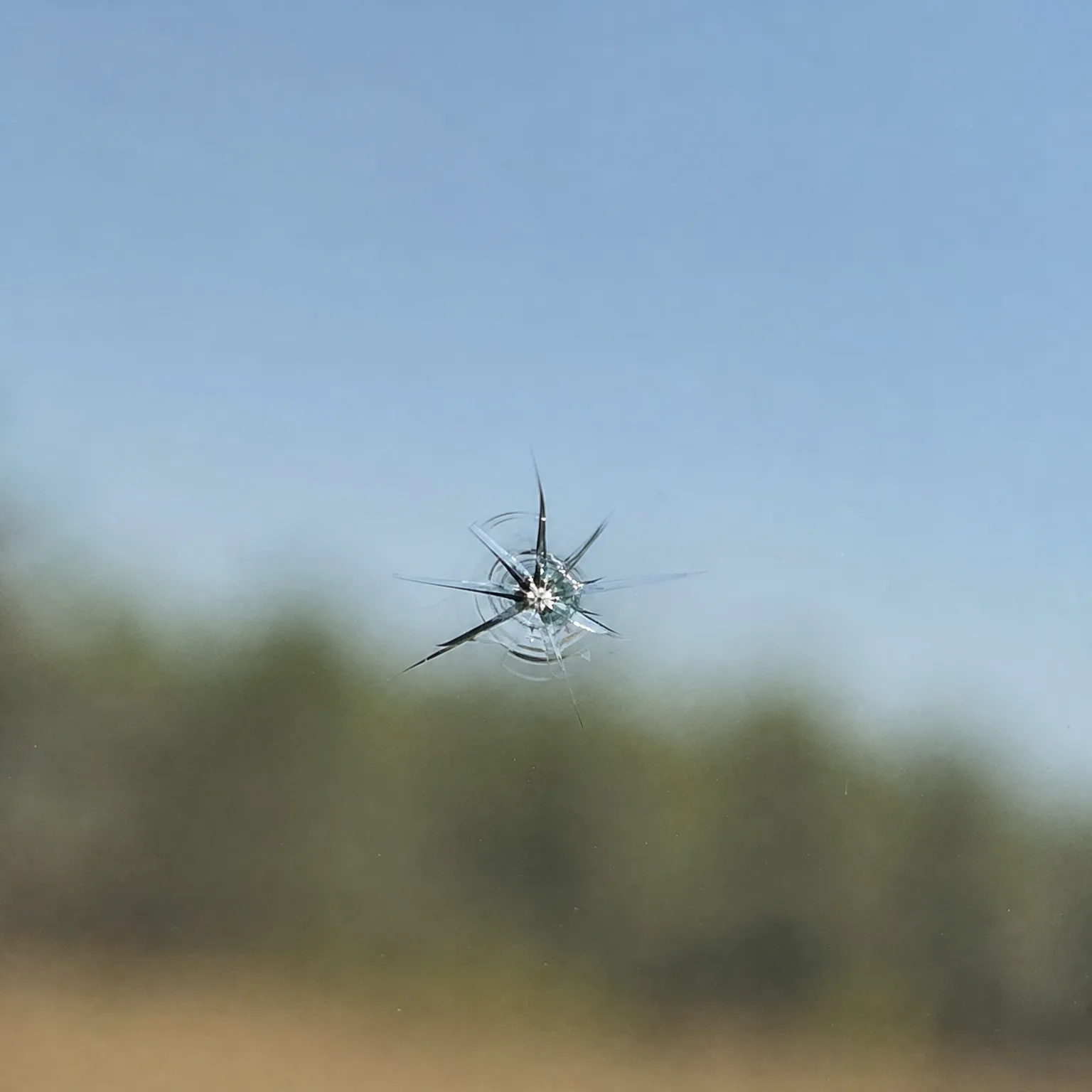
Yes, usually under comprehensive coverage, since glass damage counts as the kind of event comprehensive handles. Some insurers offer separate glass coverage with no deductible or a lower one, so check your policy details. If your policy doesn't mention glass specifically, ask your insurer how they handle it before assuming.
Does full coverage pay for a rental car while mine is repaired?
Only if you added rental reimbursement coverage separately, since it isn't automatically part of full coverage. Full coverage pays to repair or replace your car, not to cover your transportation while that happens. Check your policy or ask your insurer whether this coverage is included or available to add.
Does full coverage cover damage I caused on purpose?
No, intentional damage is excluded from every standard policy, full coverage included. Insurers only pay for accidental or unavoidable damage, and they investigate claims that look questionable. If damage happened in unusual circumstances, be honest with your insurer, since misrepresenting a claim can get it denied entirely.