What Does Comprehensive Deductible Mean
It's the amount you pay out of pocket before your comprehensive coverage pays the rest of a covered claim.

What your comprehensive deductible actually covers
- Non-collision damage only This deductible applies to things like theft, fire, hail, flooding, and hitting an animal, not crashes with another car. Check your policy to see which deductible applies if an event could fall under either category.
- You choose the amount A higher deductible usually means a lower premium, and a lower deductible means a higher premium. Pick an amount you could actually pay in cash if something happened tomorrow.
- It applies per claim Each time you file a comprehensive claim, that deductible comes out before the insurer pays anything. If you file twice in one year, you pay the deductible both times.
- Can differ from collision Many people set these at different amounts since comprehensive claims tend to be smaller and less frequent. Look at both numbers separately rather than assuming they match.
- Glass may work differently A few states treat windshield repair differently, sometimes waiving the deductible entirely. Check your state's rules and your policy's glass coverage before assuming you'll pay the full deductible.

A tree branch falls on your car during a storm
You park your car under a tree overnight, and a storm knocks a branch onto the hood and windshield. The repair shop quotes a price that covers the dented hood and the cracked glass. You call your insurer to file a claim under comprehensive coverage, since this is weather damage and not a collision.
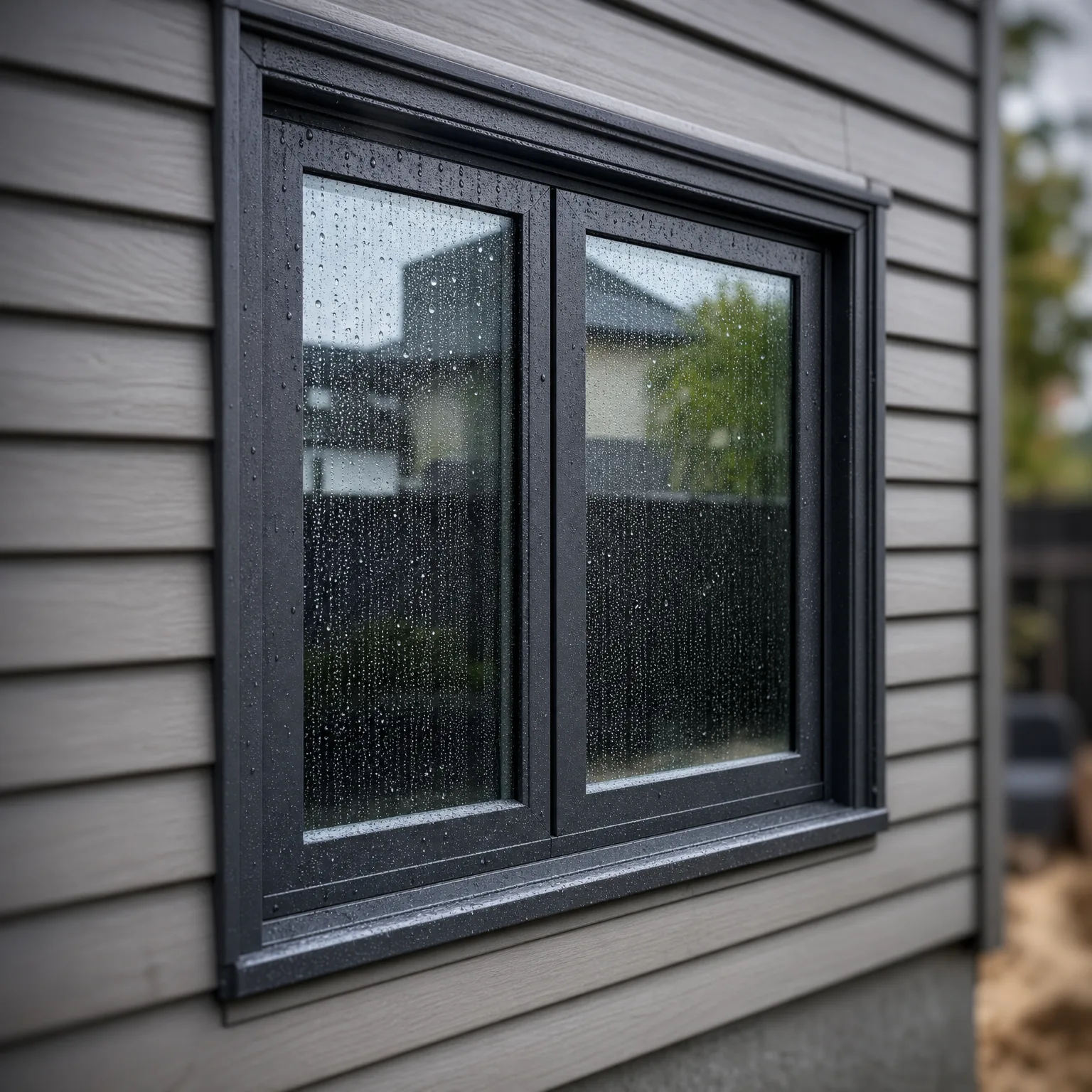
The adjuster confirms the damage is covered and tells you your comprehensive deductible applies first. You pay that amount directly to the shop, and the insurer covers the rest of the repair cost. Because your state treats glass damage differently, the windshield portion is handled separately and your deductible doesn't apply to that part. You end up paying less than you expected, and you make a note to check your deductible amount next time you're comparing quotes, since it directly shaped what this claim cost you.

Now that you understand your comprehensive deductible, compare quotes to see how different amounts change your premium.

Choosing a higher deductible versus a lower one
If you do
Pick a higher deductible and your premium drops, often noticeably. You keep more money month to month, but if you file a comprehensive claim, you'll owe more upfront before coverage pays. This works well if you have savings set aside and rarely file claims.
If you don't
Keep a lower deductible and your premium stays higher. In exchange, you pay less out of pocket if your car is stolen, damaged by weather, or hit by an animal. This suits you if you'd rather pay steadily than risk a large bill after an unexpected event.
Why deductibles work this way
Insurance is built around shared risk. Insurers collect premiums from everyone they cover and pay out when claims happen, and the deductible is the part of that risk you agree to carry yourself. By taking on a piece of the cost, you lower the amount the insurer expects to pay on average, and that's reflected in a lower premium.
The reason comprehensive and collision deductibles are often separate is that they cover different kinds of risk. Collision claims tend to come from accidents you can sometimes avoid through driving choices, while comprehensive claims come from events outside your control, like weather or theft. Insurers price and structure these separately because the frequency and severity of claims differ between the two categories.
Your deductible amount also affects how you behave as a policyholder. If your deductible is close to the cost of a small repair, you might choose to pay out of pocket rather than file a claim at all, since filing can affect your premium at renewal. This is worth thinking about when you pick a deductible, not just the monthly cost but whether you'd actually use the coverage at that level.
State rules can change pieces of this picture, especially around glass claims, so what holds true in general might work differently depending on where you live. Your insurer's specific policy language is what ultimately decides how your deductible applies, so that's the document to check when you want a precise answer for your situation.
Your deductible is a bet on what you can afford to pay if something goes wrong tomorrow.