Difference Between a Collision and Comprehensive Deductible
A collision deductible applies when your car hits something, and a comprehensive deductible applies when something else happens to it.
Each deductible ties to a cause of damage, not a dollar amount
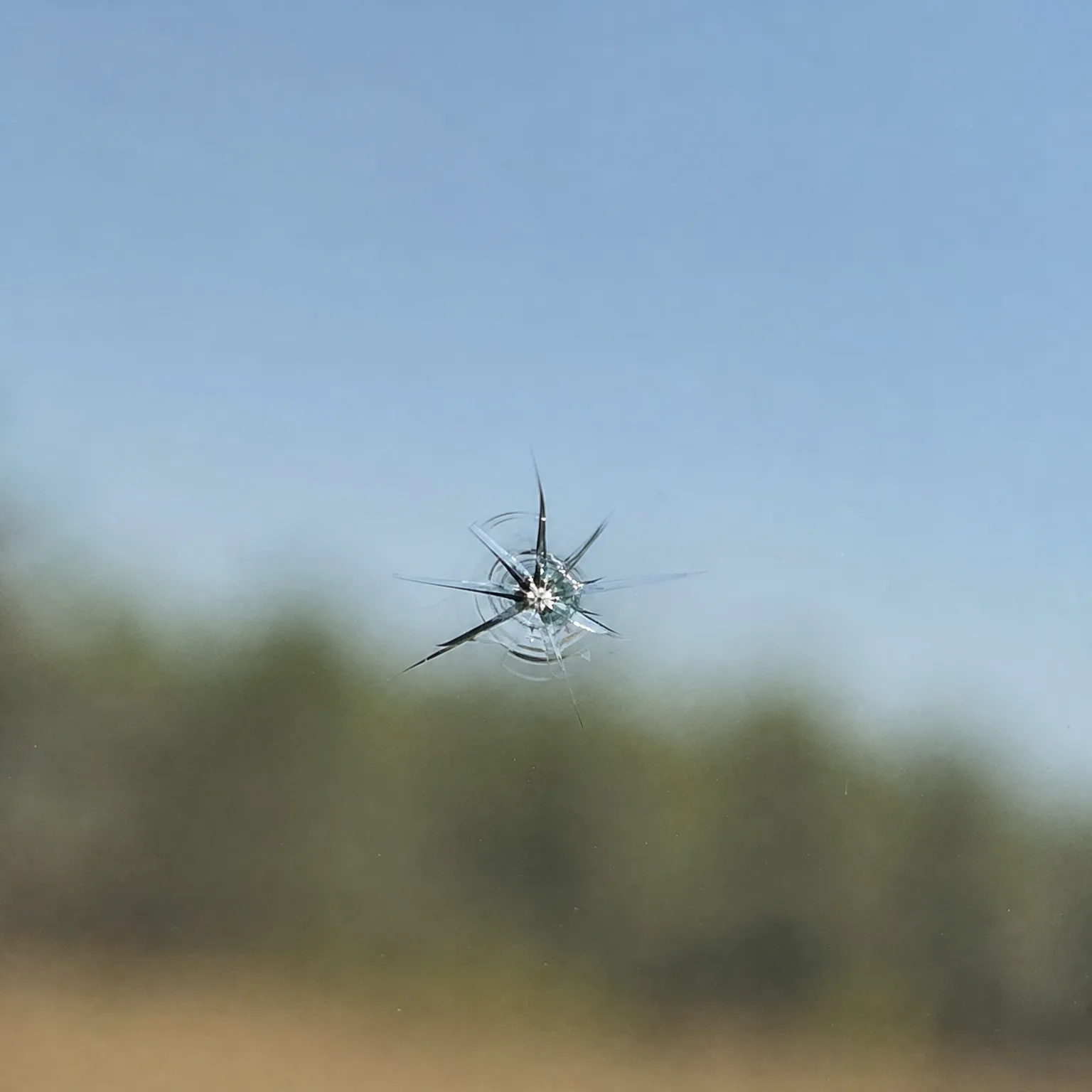
Your policy actually holds two separate deductibles even though they sit on the same declarations page. The collision deductible applies when your car collides with another vehicle or an object, including a pole, a curb, or a guardrail. It also applies if you roll the car, regardless of who caused it. The comprehensive deductible applies to damage that isn't a collision, like theft, fire, vandalism, a cracked windshield from a rock, hail, flooding, or hitting an animal.
The reason insurers split it this way is that the two kinds of loss behave differently. Collisions are tied to how and where you drive, so that deductible is priced against your driving record and how much you're on the road. Comprehensive losses are more about where the car sits and what's around it, so that deductible is priced against things like local theft rates and weather. Because the risks are different, insurers let you set the two deductibles separately, and many people do set them at different levels.
For a new car, this split matters because you're deciding on coverage for the first time, not just adjusting an old policy. You might want a lower comprehensive deductible if you park on the street or live somewhere with hail or wildlife, since those claims happen more often than collisions for a lot of drivers. You might keep the collision deductible higher if you're a careful driver, since you're paying to insure against a less likely event.
One case that trips people up is a hit-and-run or an incident where someone keys your car. Both are actually comprehensive claims in most places because there was no collision, even though it feels like someone did something to your car. Check with whoever you're insuring with to see how they classify edge cases like broken windows from a break-in or a tree branch falling on your car, since the line isn't always where you'd guess.
A driver splits the two deductibles for a new car
A reader bought a new car and parked it in a street spot overnight in a neighborhood with occasional break-ins. He was deciding on coverage for the first time, not just copying over an old policy. He went with a lower deductible on comprehensive, since broken windows and theft attempts felt more likely than a crash, and kept collision higher since he mostly drove during the day on familiar roads and had a clean record.
A few months in, someone shattered a window trying to get into the car and took a bag off the seat. Because that was a comprehensive claim, he paid the lower deductible he'd chosen and got the window and the lock mechanism fixed. If he'd set both deductibles to match out of convenience, he'd have paid more for a loss that had nothing to do with how he drives. He kept the higher collision deductible in place since he still hasn't needed to use it.
Your driving record sets one deductible, your surroundings set the other, so don't let one number decide both.
Once you've decided how to split these two deductibles, compare quotes to see what each insurer charges for that setup.

Setting the two deductibles separately instead of matching them
If you do
You choose each deductible based on what it actually covers, lower comprehensive if you're exposed to theft, weather, or animals, and a collision deductible that fits your driving. You end up paying less out of pocket for the losses most likely to hit you, and more premium control overall.
If you don't
You set both deductibles to the same number for simplicity. That can mean overpaying for comprehensive protection you don't need much of, or getting less cushion than you want on collision, the claim type you're actually more exposed to given how and where you drive.

What decides which deductible applies
- What you hit matters Hitting another car, a pole, or rolling the vehicle falls under collision. Check your policy's definition since some insurers word it slightly differently.
- What hits you is comprehensive Theft, fire, hail, flooding, vandalism, and animal strikes fall under comprehensive. These are losses that happen to the car, not caused by your driving.
- You can set them differently Nothing requires the two deductibles to match. Pick each based on what you're actually exposed to, your driving habits for collision and your parking and location for comprehensive.
- Glass claims vary by state Some states treat windshield repair under comprehensive with no deductible or a separate lower one. Ask directly how glass is handled where you live.
- Confirm edge cases in advance Ask how your insurer classifies things like hitting a deer or a hit-and-run before you're filing a claim. Knowing beforehand avoids a surprise about which deductible applies.