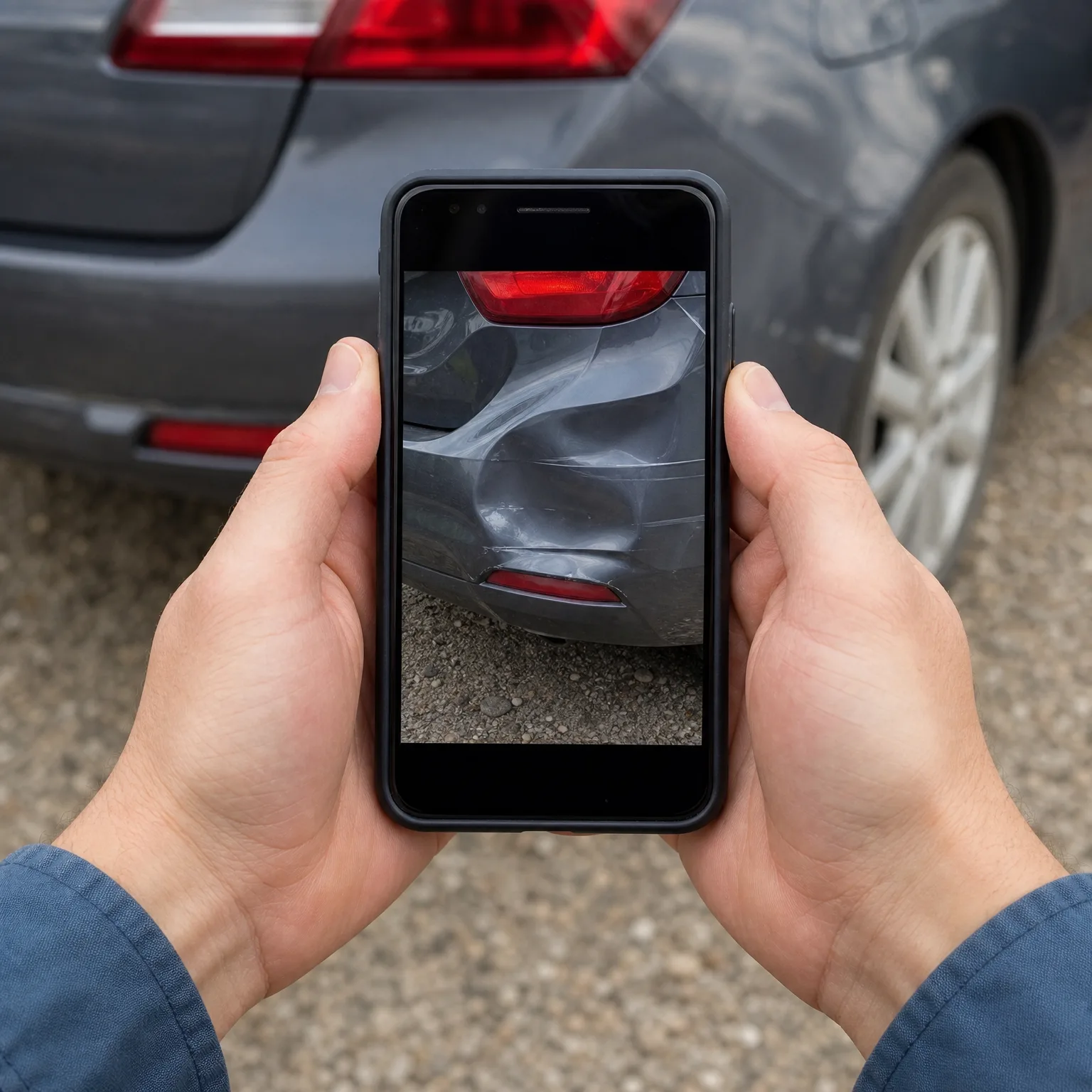
What Questions Do They Ask When Getting Car Insurance
They'll ask about the car itself, who drives it, how you'll use it, and what coverage you want, so have those answers ready before you call.

The questions line up into five groups
- The car's identity They need the VIN, year, make, and model to price the car correctly. If you just bought it, pull this straight from the dealer paperwork instead of guessing.
- Who drives it They'll ask who's on the policy and who else might drive the car regularly. Include anyone in your household who'll get behind the wheel, even occasionally, so a claim doesn't get denied later.
- How you'll use it Expect questions about your commute, mileage, and whether it's for personal or business use. Answer honestly, since this affects both your price and whether a claim gets paid.
- What you owe on it If you financed or leased the car, they'll ask who the lender is and may require a certain coverage level. Have your loan or lease paperwork nearby so you can name the lender correctly.
- What coverage you want They'll walk through liability limits, comprehensive and collision, and options like gap coverage. Decide beforehand what matters to you so you're not guessing out loud on the phone.

The short version
They'll ask about the car, who drives it, how it's used, any loan or lease, and what coverage you want. The reason is simple: price and coverage both depend on real details, not guesses. Before you call, gather the VIN, your lender's name if any, and a clear idea of the coverage you want.
Calling in the day after driving the new car home
Maria picked up her new car on a Saturday afternoon and needed to add it to her policy before Monday. When she called her insurer, they asked for the VIN right away, which she read off the sticker still taped to the window. They also asked whether she financed the car, and she gave them the lender's name from the paperwork the finance office had printed.
The agent then asked how far she'd be commuting and whether anyone else in her house would drive it. Her husband drove it occasionally, so she added him rather than leaving him off. When they got to coverage, the agent asked if she wanted gap coverage since she'd financed most of the purchase price, and explained what it would do if the car were totaled early on. Maria decided to add it, since she'd put very little down. The whole call took under twenty minutes, and by the time she hung up, the car was fully covered and she had a written summary of what she'd agreed to, with nothing left to double check later.
With your answers ready, compare quotes now and see who offers the best price for the same coverage.
Why they ask what they ask
Every question has a reason behind it, and it's always about risk. The VIN tells them exactly what car they're insuring, since even the same model can have different safety features or theft rates depending on the trim. Who drives the car and how often tells them how much exposure they're really taking on, because a car driven by a teenager every day is a different risk than one driven occasionally by an experienced driver.
The loan or lease question exists because lenders often require specific coverage to protect their investment in the car. If you owe money on it, the insurer needs to know who to list as a lienholder, and that affects what coverage is required, not just what's recommended.
Coverage questions come last because they depend on everything before them. What you can choose, and what makes sense, follows from the car's value, how it's financed, and how it's used. This is also where state rules come in, since minimum coverage requirements and the availability of things like gap coverage vary by state, so it's worth checking what your state requires before you assume the first quote reflects it.
Where this changes is mostly around how thorough the questions get. Some insurers ask more upfront and lock in a firm price, while others ask less at first and adjust later based on driving history or other factors. Neither approach is wrong, but it helps to know which one you're dealing with so the quote you get is the quote you'll actually pay.
The questions aren't a hurdle to get through, they're what makes your price accurate instead of a guess.
What happens if I answer one of these questions wrong?
Nothing happens immediately, but it can cause real problems later. If you understate your mileage, leave off a household driver, or get the loan details wrong, the insurer may use that information when deciding whether to pay a claim.
In the best case, they catch the mistake early and just adjust your premium. In the worst case, they discover it after an accident and either reduce what they pay or deny the claim entirely. If you realize you made a mistake, call and correct it as soon as you notice rather than waiting for renewal or a claim to force the issue.